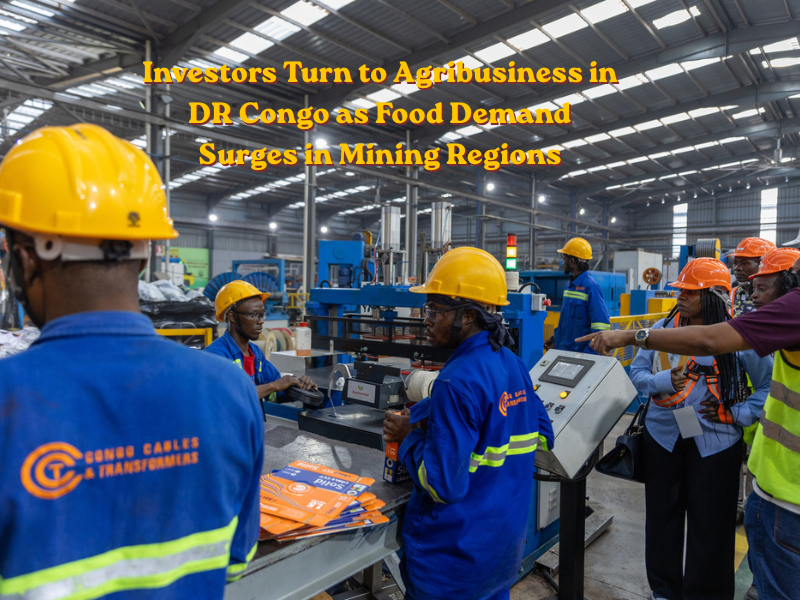
Agribusiness is emerging as a serious investment frontier in the Democratic Republic of Congo (DRC), as regional and international investors shift attention toward food production, processing, and distribution systems serving rapidly growing urban centres.
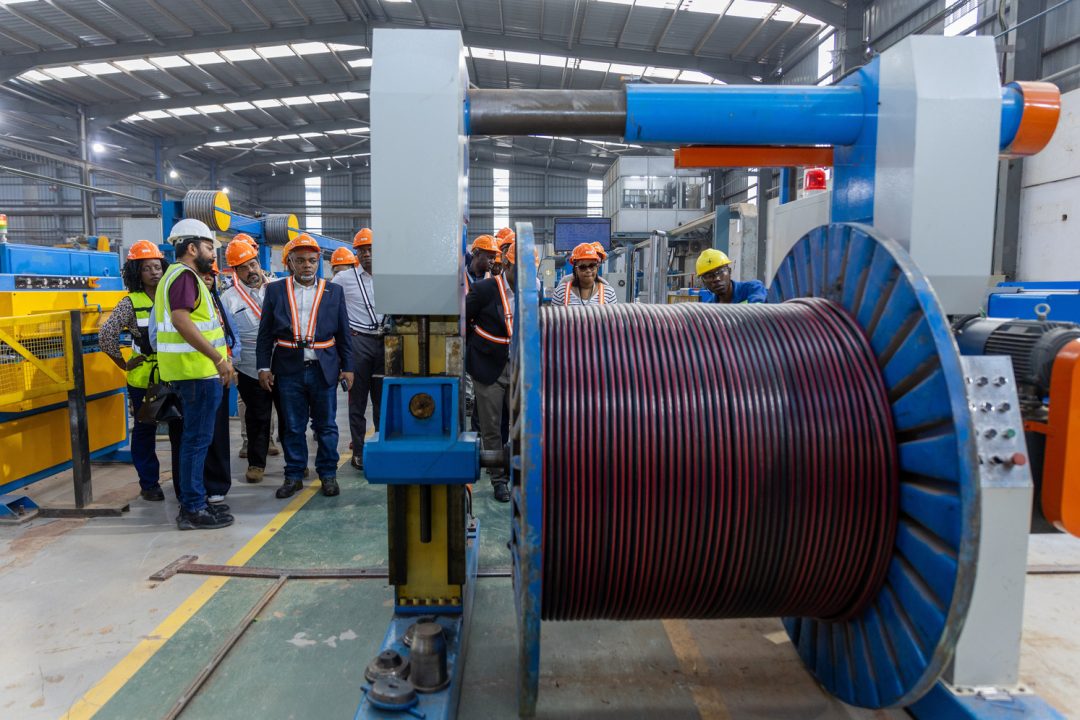
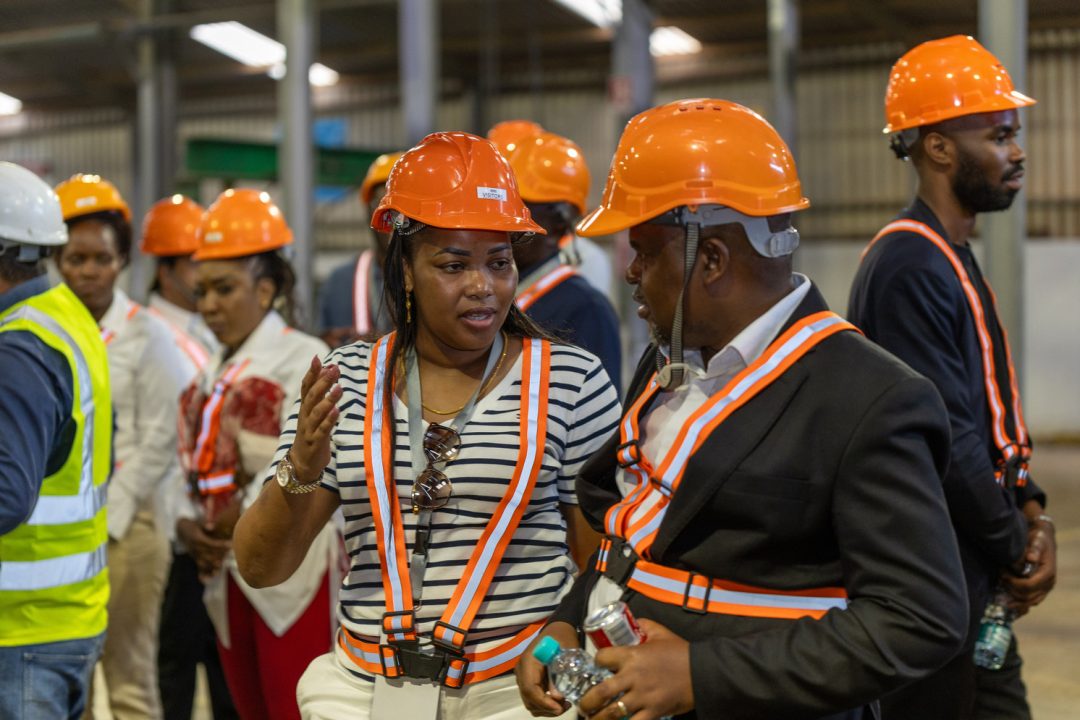
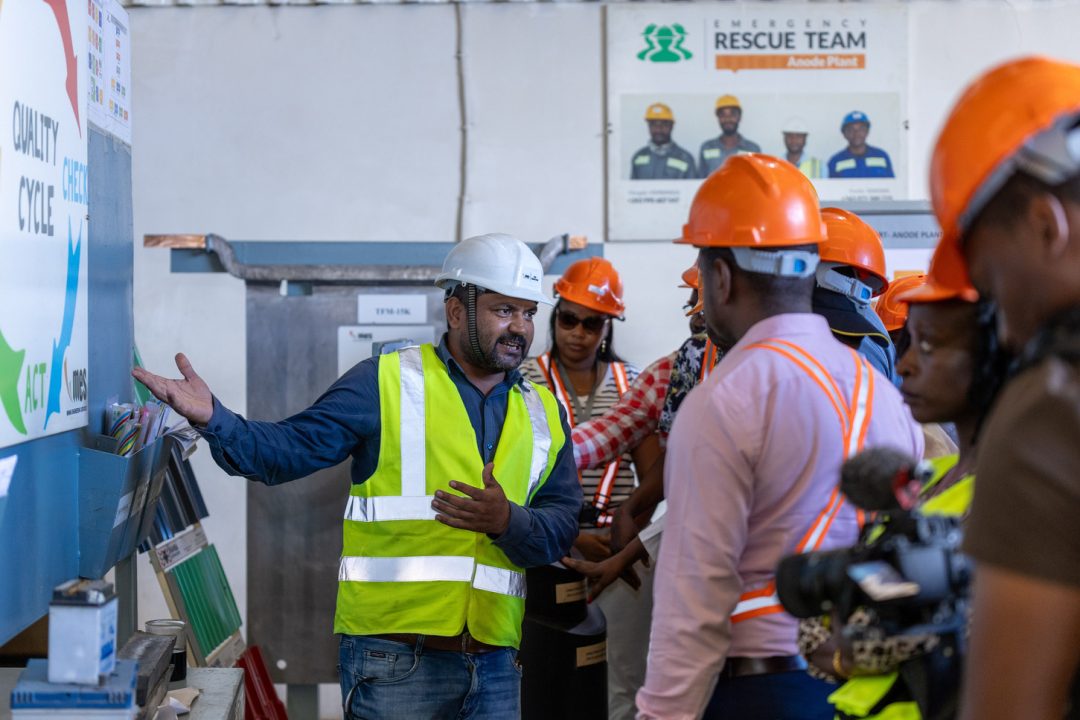
During a week-long trade mission to Lubumbashi and Kolwezi, more than 50 delegates toured farms, processing facilities, and distribution businesses to assess opportunities across the food value chain. The mission brought together investors from across East and Southern Africa, as well as partners from Europe, the Middle East, and Asia, signalling rising global interest in Central Africa’s food markets.
Why Agribusiness and Why Now
The push toward agribusiness is driven by a simple reality: demand for food is rising faster than local production in many mining-driven economies. In the DRC, officials estimate the country has more than 80 million hectares of arable land, yet less than 15 per cent is currently cultivated, a gap that represents both risk and opportunity for investors and policymakers.
The country’s geographic position also matters. The DRC borders nine countries and participates in major regional trade blocs, including the East African Community (EAC), COMESA, SADC, and the African Continental Free Trade Area (AfCFTA). These frameworks are designed to reduce trade barriers and make cross-border movement of food, farm inputs, and processed goods more efficient.
For East African businesses, including those in Kenya, this signals a practical shift: regional food trade is no longer theoretical; it is becoming operational.
The Real Constraints Investors Are Watching
Despite strong market demand, investors consistently identified four structural barriers that continue to slow food-system growth in the region:
- Weak logistics and transport systems
- Limited cold-chain infrastructure
- Unreliable electricity supply
- Inadequate storage capacity
These are not minor operational issues. They directly affect food prices, post-harvest losses, and business viability. In many African cities, improving storage and distribution can increase food availability faster than expanding farmland.
Private Sector Signals: Distribution and Processing Are Expanding
Companies operating in the region are already positioning themselves to capture growing consumer demand. One example is a diversified group working across fuel, distribution, transport, and consumer goods manufacturing. The company has secured licensing agreements with major multinational brands and produces its own household and dairy products, while expanding retail networks in major cities.
This reflects a broader trend across Africa: value is increasingly created not just in farming, but in processing, packaging, and retail, the parts of the food system that determine affordability and reliability for consumers.
What This Means for Kenya and the Region
For Kenyan businesses, policymakers, and development actors, the lesson is direct. Agriculture alone will not transform food security. Food systems will.
Investment decisions are moving toward integrated value chains; production, logistics, energy, storage, and market access work together. Countries that solve these coordination problems will capture the next wave of regional trade growth.
The DRC is positioning itself as one of those markets. The opportunity is real. But so are the infrastructure and governance challenges that will determine whether investment translates into a stable food supply, lower prices, and resilient local economies.
Bottom line:
Africa’s food future will depend less on how much land is available and more on how effectively food moves from farm to market.