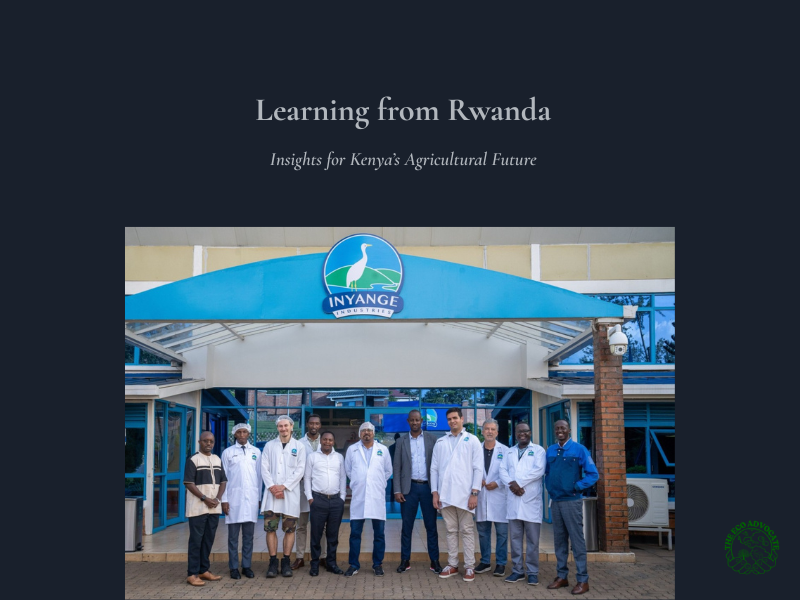
Kenya finds itself at a pivotal moment in agriculture, enriched with vast land, flourishing markets, and talented individuals. Yet, despite these advantages, we continue to grapple with significant challenges—post-harvest losses, dependence on rainfall, limited processing capabilities, and crippling logistical hurdles. This raises an important question as Kenyan investors recently embarked on a three-day trade mission to Rwanda: What innovative strategies is Rwanda employing, and how can we apply those lessons back home?
The mission gathered over 300 participants from 30 nations in Kigali, organised by Equity Group. Among these were 15 Kenyan investors, alongside representatives from countries like India, Germany, Canada, and the United States, all eager to explore growth sectors with a focus on agriculture. Through this interaction, Rwanda showcased a clear vision: transforming agriculture from merely a subsistence activity into a dynamic, high-value industry driven by innovation.
What struck me the most during this visit was Rwanda’s bold ambition, coupled with its effective execution. Prompting a tough but necessary question for us Kenyans: Are we making the same decisive moves?
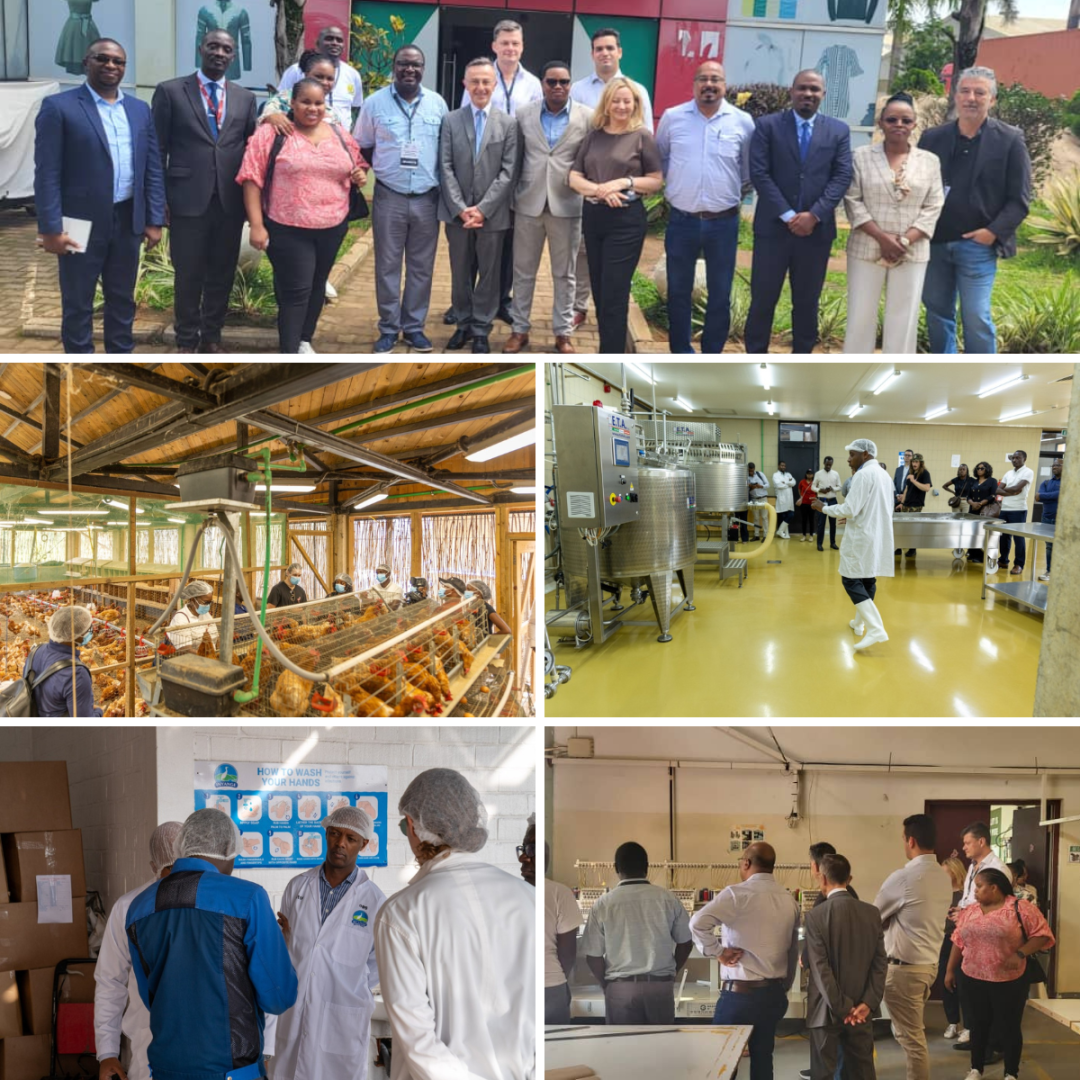
RICA: A New Approach to Agricultural Education
One of the most enlightening stops on our journey was the Rwanda Institute for Conservation Agriculture (RICA). Here, agriculture isn’t just about growing crops; it’s seen as an integrated system combining hands-on learning, conservation principles, and agribusiness training. Graduates emerge equipped with practical skills to manage productive and climate-resilient farms, empowering them to innovate within the agricultural landscape.
This experience highlighted a stark contrast with Kenya. While our universities and Technical and Vocational Education and Training (TVET) institutions certainly produce talented graduates, there’s a noticeable gap in training that merges environmental stewardship with commercial farming. RICA’s model illustrates the power of aligning agricultural education with both ecosystem restoration and business acumen, resulting in professionals who can cultivate profitable enterprises without compromising the health of our land.
If we want to embrace climate-smart agriculture, this is a clear area where Kenya could benefit from collaboration and transformation.
Inyange Industries: The Power of Value Addition
During our mission, we also visited Inyange Industries, a prominent Rwandan processor of dairy, juice, and bottled water. What sets Inyange apart is its dual commitment to advanced processing technology and direct sourcing from smallholder farmers. This connection is critical—it creates a stable value chain where farmers are trained, have guaranteed market access, and achieve more consistent incomes.
Too many Kenyan farmers struggle not due to a lack of production capability but because of failed market systems. Fluctuating prices, exploitative middlemen, and unclear quality standards often hinder their efforts. Inyange’s approach proves that aligning farmer incentives with industry goals can lead to mutual benefits: farmers earn better incomes while ensuring that processors receive high-quality produce consistently. For Kenya, this model resonates with our ongoing discussions about the necessity of partnerships between farmers and industries, built upon fair pricing and stable markets.
Rwanda’s Vision for Value Addition
Rwanda has made a clear commitment to transforming its agricultural export landscape: moving away from raw agricultural goods to focus on processed, higher-value products. This approach is already yielding positive outcomes, especially in regional trade with neighbours like the DR Congo, Uganda, and Tanzania.
While Kenya has similar ambitions outlined in its policies, Rwanda demonstrates a sharper focus in its execution. By selectively prioritising processing clusters, quality assurance, traceability systems, and logistics designed for speed and efficiency, Rwanda is redefining its agricultural export strategy.
DP World Kigali: Streamlining Logistics for Competitive Advantage
To better understand Rwanda’s competitive edge, we visited DP World Kigali, an inland port and logistics hub established to reduce transit times and simplify export processes. Although efficient logistics may seem like a technical issue, for East African farmers, it’s paramount. Delayed deliveries can translate to spoilage, lost contracts, and cancelled orders.
At DP World Kigali, we witnessed simplified customs procedures, integrated warehousing, digitised tracking systems, and rapid cargo clearance in action. This thoughtful design positions Rwanda as a reliable export gateway—not merely because of its geographical location, but due to its logistical innovations. For Kenyan agribusinesses, this presents a golden opportunity. A predictable logistics chain can significantly mitigate risks and lower costs, encouraging more robust trade.
While Kenya boasts strong ports and transport networks, it’s clear that we still face bottlenecks. By embracing Rwanda’s lesson of a streamlined and integrated logistics approach, Kenya can enhance its agricultural sector’s competitiveness.
Conclusion
The insights gained from Rwanda’s agricultural transformation journey highlight crucial areas worthy of attention and potential collaboration for Kenya. As we strive for growth in our own agricultural sector, it’s essential to learn from the successes of our neighbours, incorporating innovative strategies into our framework. By focusing on education, value addition, and efficient logistics, we can empower our farmers, enhance productivity, and drive economic growth in Kenya.