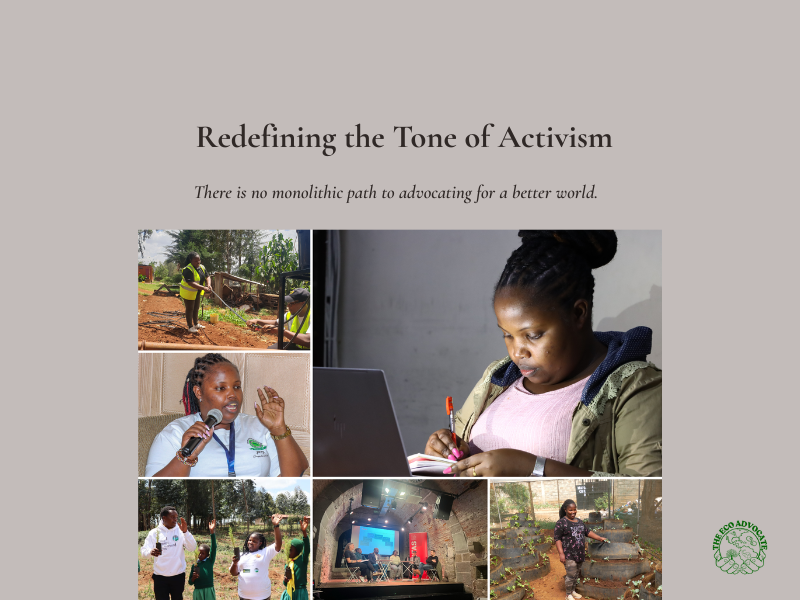
In every movement advocating for change, we often experience moments of inner discomfort, an unsettling feeling when observing how others engage in advocacy or protest. This discomfort is typically misinterpreted as judgment, disagreement or even a sense of superiority. However, it is frequently a deeper, more intimate awareness; a gentle reminder that we, too, possess the potential to contribute more meaningfully.
Activism is inherently multi-dimensional, encompassing a rich tapestry of tones, strategies and forms of engagement. While some voices rise in protest with passionate anger against injustice, others work quietly behind the scenes, shaping policies, nurturing communities, revitalising damaged ecosystems or fostering the next generation’s stewardship of the natural world. Each of these endeavours, when grounded in integrity and intention, plays a vital role in the broader ecosystem of change.
Understanding the Source of Discomfort
When we encounter discomfort regarding others’ methods of advocacy, it warrants introspection: What is the root of this feeling?
Often, our unease can stem from dissatisfaction with perceived tactics; perhaps confrontational styles, chaotic protests or performative efforts that lack authenticity. Alternatively, it may signal a recognition that we are not fully embracing our own capabilities.
Rather than projecting that discomfort onto others, we can use it as a reflective tool; an opportunity to explore the distance between our current actions and our potential contributions. In this light, discomfort transforms from an obstacle to a guiding message, urging us toward personal alignment and growth.
The Diversity of Activism
There is no monolithic path to advocating for a better world. The environmental movement, in particular, thrives on diversity; not only in terms of ecosystems but also in voices, strategies and personalities.
- Some activists mobilise communities through protests and petitions.
- Others leverage data and research to influence policy change.
- Some express their message through art, storytelling, or community-driven initiatives.
- Others work resolutely in silence—planting trees, restoring habitats, and mentoring youth.
Each of these approaches plays a crucial role, addressing unique gaps that others may overlook. The world needs both the passionate advocates who disrupt the status quo and the nurturing caretakers who foster growth and healing.
At Eco Advocate, we champion a style of peaceful activism; one that combines knowledge, empathy and sustainable solutions. This form of activism is not passive; rather, it is intentional and impactful. It embraces passion while channelling it into constructive dialogue, informed decision-making and tangible outcomes.

Beyond Comparison and Judgment
Fostering a culture of judgment can limit our collective vision. When we focus solely on what others might be doing incorrectly, we risk losing sight of our own responsibilities and capabilities.
Healthy movements are built on collaboration rather than competition. It is essential to recognise that diverse paths can lead us toward the same goal.
Even when some individuals exploit activism for self-serving purposes, the antidote is not bitterness or cynicism; instead, it lies in embodying values like integrity, transparency and genuine results. By showcasing what works, demonstrating that honesty can lead to effective advocacy, we can inspire others through quiet authority.
Choosing Peaceful Activism
Peaceful activism does not equate to silence or complacency; rather, it emphasises composure and clarity in addressing complex issues. This approach prioritises truthful engagement over sensationalism, focusing on impact rather than outrage.
In a world where anger often garners attention faster than facts, maintaining this balance requires considerable courage. It demands that we stand firm in our conviction, resisting the allure of performative outrage and centring our discussions around empathy, evidence and solutions.
We see this form of activism in educators teaching climate science, community groups initiating sustainable energy projects and youth-led efforts greening schools and orphanages. It lives in the unwavering commitment of those who prioritise long-term transformation over fleeting visibility.
Redefining “Doing More”
“Doing more” is not synonymous with being louder or taking on every initiative simultaneously. Instead, it entails deepening our existing efforts, refining our messages, amplifying our impact and aligning our actions with our core values.
This could manifest as:
- Focusing on one project and executing it exceptionally well, rather than spreading ourselves too thin across many.
- Building collaborative networks with those who complement our advocacy style.
- Investing time in skill development to enhance our effectiveness.
- Prioritising mental well-being to ensure our voices remain grounded and sustainable.
In advocacy, consistency often proves more transformative than intensity. Small, steady actions can create enduring ripples that surpass the impact of sporadic, loud clamour.
Competing Only with Your Past Self
At the core of every meaningful movement lies the concept of self-improvement. When we focus on competing with others, we may lose direction; however, when we strive to surpass our previous selves, we foster personal growth.
Each day presents a fresh opportunity to reassess our purpose, refine our message and gain wisdom that enhances our advocacy. Ultimately, activism is not solely about transforming systems; it is equally about evolving into better instruments of change ourselves.