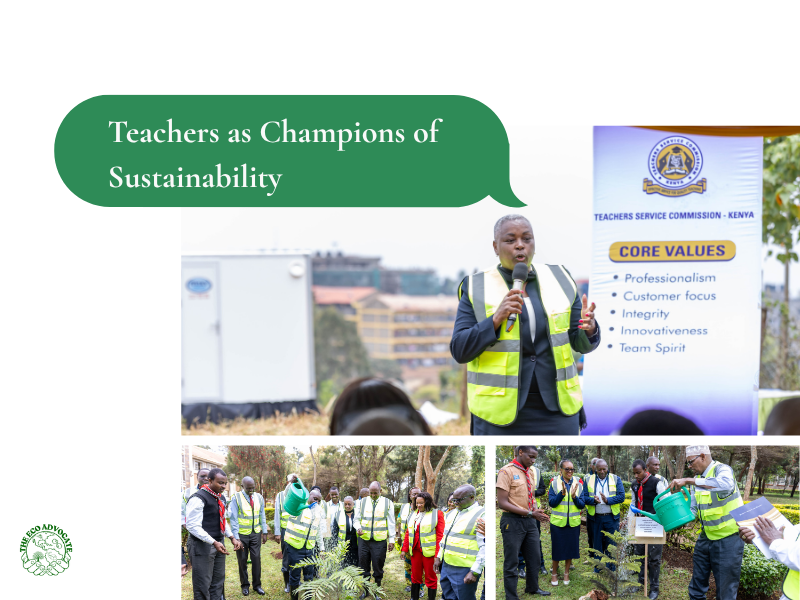
A Kenyan Perspective on Climate Action
As we navigate the challenges posed by climate change, Kenya faces pressing issues such as droughts, erratic rainfall and the degradation of our ecosystems. However, in the face of these challenges, innovative partnerships are emerging that aim to secure a better future for our environment. One particularly inspiring initiative is being spearheaded by Equity Group in collaboration with the Teachers Service Commission (TSC). In the spirit of World Teachers’ Day, celebrated on October 5th, they have launched a nationwide tree-planting initiative that honours teachers not just as educators, but as vital guardians of our environment.
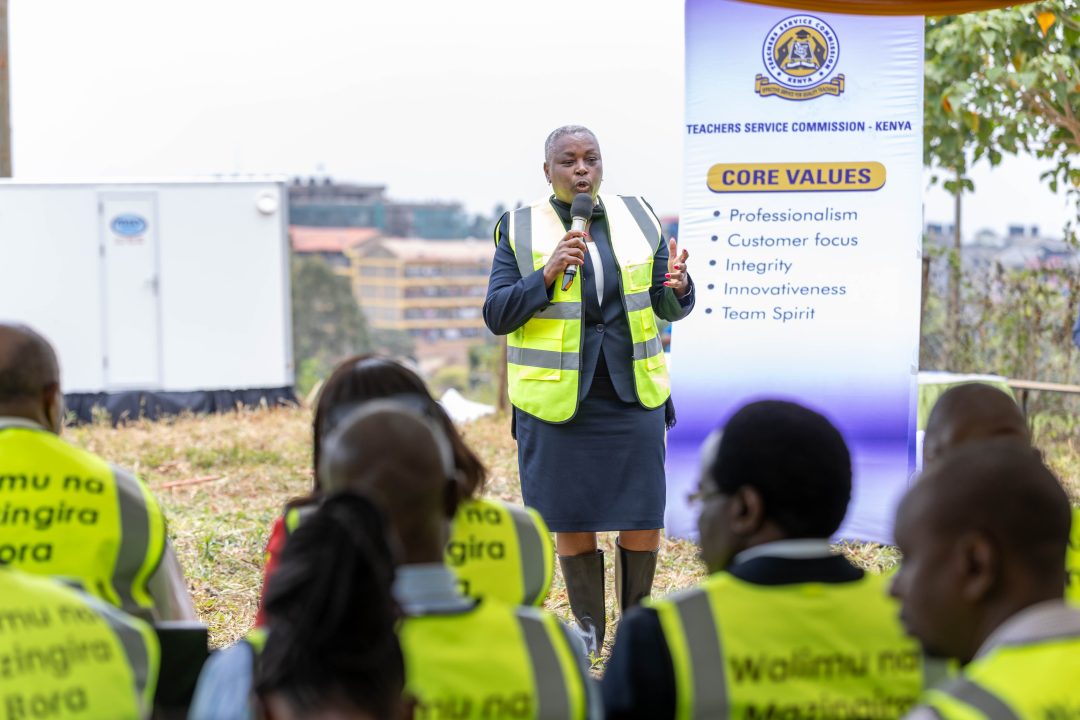
Equity Bank Associate Director for Public Sector and Institutions, Ambassador Mary Mugwanja speaking during the launch of a week-long countrywide tree-planting initiative, as part of build-up activities, ahead of World Teachers’ Day on October 5
Why Are Teachers Crucial in This Effort?
Teachers hold a unique and powerful position within communities across Kenya. They shape the beliefs and behaviours of not just their students, but whole families. As Dr Jamleck Muturi, Chairman of TSC, points out, classrooms are a pivotal space for instilling values that resonate far beyond school walls. By positioning teachers as champions of sustainability, we broaden the impact of the fight against climate change; each seedling planted serves as a valuable lesson in responsibility, nutrition and collective action.
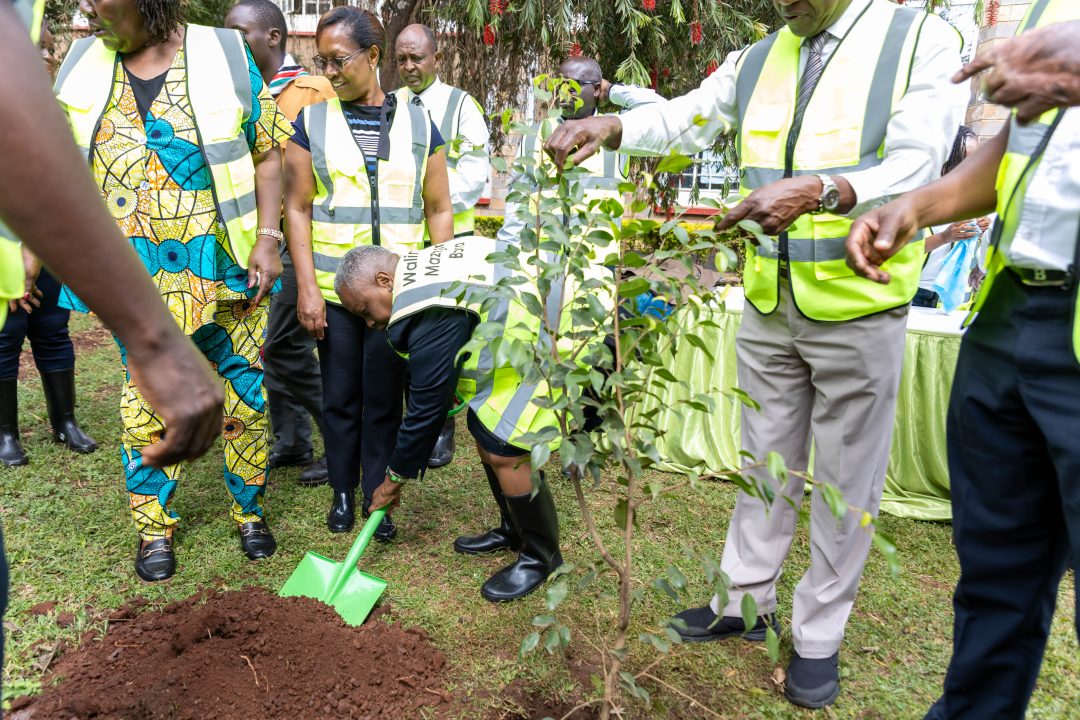
Equity Bank Kenya Associate Director, Public Sector and Institutions, Ambassador Mary Mugwanja plants a tree at Alliance High School during the launch of a weeklong country tree planting initiative by the Teachers Service Commission (TSC) ahead of World Teachers Day celebrations.
Equity Group’s Commitment to the Cause
Equity Group has stepped up by pledging to provide tree seedlings to schools and communities. This initiative ties directly into Sustainable Development Goal (SDG) 13, which emphasises the urgent need for action against climate change. As Ambassador Mary Mugwanja, Associate Director for Public Sector and Institutions at Equity Group, explains, the goal of this initiative is to create “a cleaner, better-preserved environment for our children to grow up in.”
What makes this effort truly special is its comprehensive approach:
- Environmental Restoration: The initiative encourages the planting of both exotic and fruit trees.
- Nutrition and Livelihoods: By motivating communities to cultivate fruit trees, it promotes not just food security but also income generation.
- Youth Empowerment: Engaging young people in the process of raising, planting, and caring for seedlings fosters a sense of stewardship and responsibility.
This isn’t just a charitable gesture; it’s a carefully considered, long-term strategy that aims to build resilience within communities.
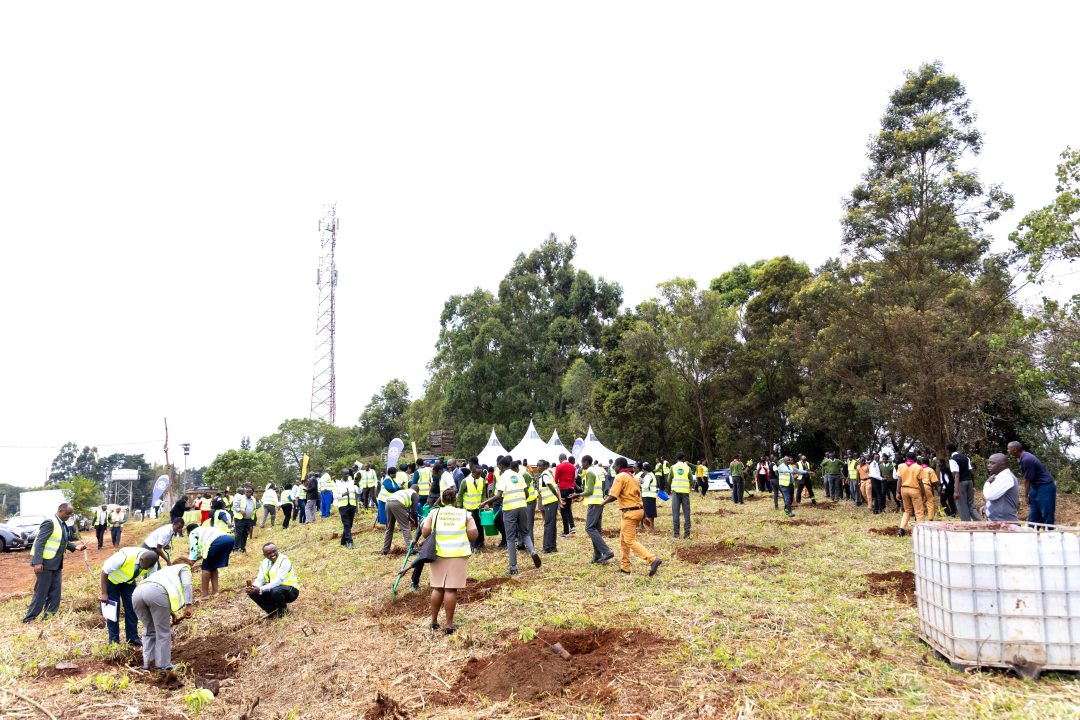
Conservation stakeholders led by Teachers Service Commission (TSC) officials and other partners, including officials from Equity Group, planting trees at Alliance High School to kick off the weeklong initiatives ahead of World Teachers Day celebrations on October 5th.
Linking Local Action to Global Goals
Kenya’s deforestation crisis is a reflection of a larger global challenge. The Sustainable Development Goals Report 2025 reveals a significant reduction in annual deforestation rates, from 12 million hectares (2010–2015) to 10 million (2015–2020). Meanwhile, governments and organisations worldwide have pledged to restore over 1 billion hectares of degraded land, with substantial commitments in sub-Saharan Africa.
The financial implications are striking: for every dollar invested in ecosystem restoration, communities can expect to see returns of $7–$30, from enhanced carbon sequestration to improved livelihoods. This emphasises that local actions, like those taken in Kenya, resonate on the global stage and contribute to worldwide climate efforts.
Beyond Just Planting Trees: Ensuring Their Survival
While tree planting has gained popularity as a CSR initiative in Kenya, it raises an important question: what happens once the media leaves? Studies reveal that seedlings planted without ongoing care often face staggering mortality rates of 60–80% in certain areas. To ensure long-term success, initiatives like Equity’s need to incorporate robust care systems, including consistent watering and monitoring, as well as community involvement in stewardship.
This is where teachers play a vital role; they can engage students and parents in caring for the trees, turning mere planting into a shared community commitment.
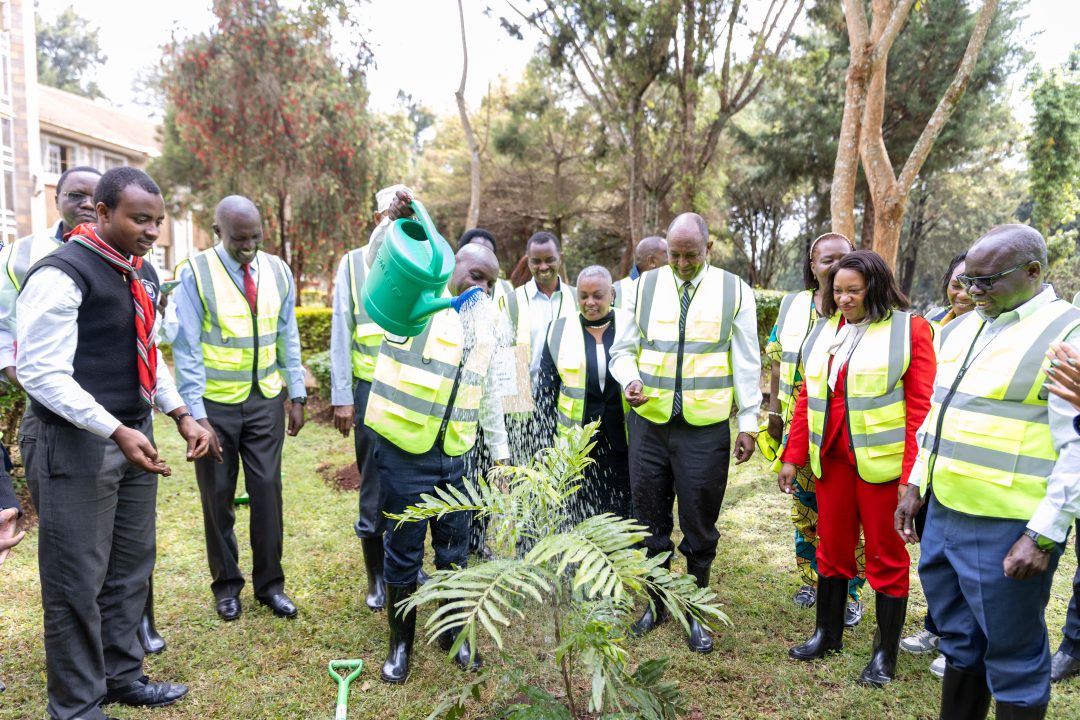
Teachers Service Commission (TSC) Chairman, Dr. Jamleck Muturi waters a tree after planting at Alliance High School.
The Importance of This Initiative for Kenya’s Future
Kenya has set an ambitious goal of planting 15 billion trees by 2032. However, these targets will only matter if the trees survive to maturity. By empowering teachers and learners, this initiative shifts the focus from mere planting to nurturing and growing trees, ensuring that today’s efforts lead to meaningful, transformative change in our landscapes tomorrow.
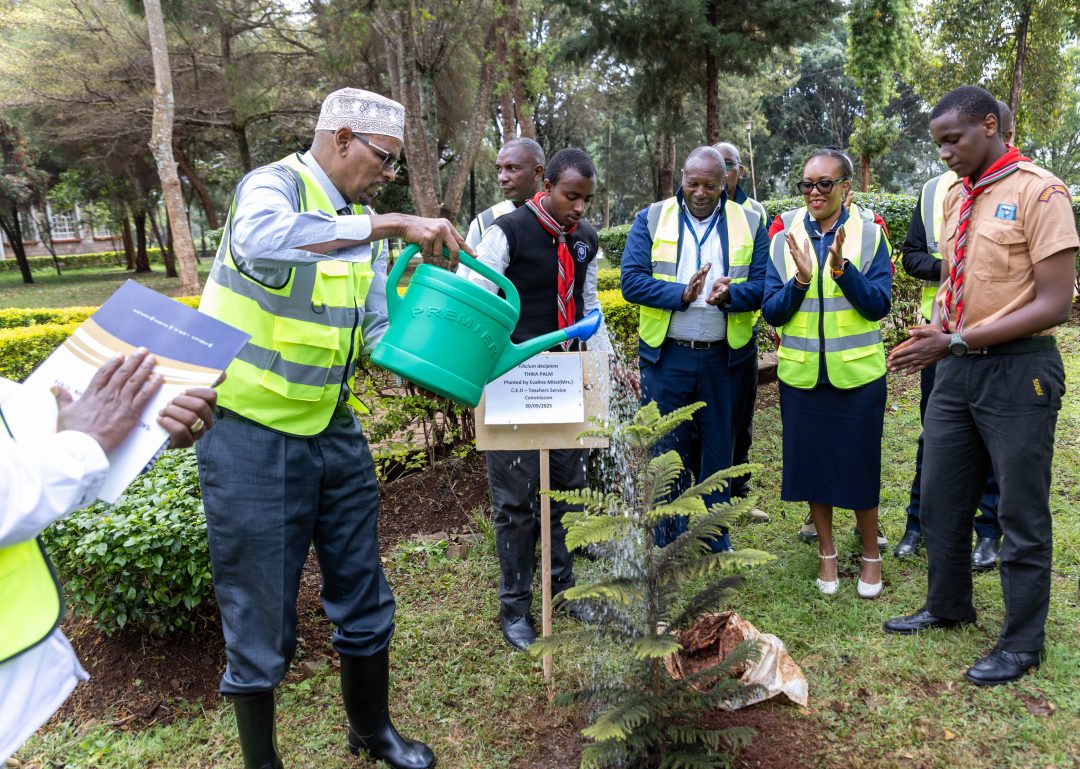
TSC Director Ibrahim Mumin waters a tree after planting during the launch of the initiative ahead of World Teachers Day.
A Final Thought
Teachers have the remarkable power to shape the next generation’s understanding of the world. By actively involving them in climate stewardship, Kenya sends a strong message: the battle against climate change is not just for a select few experts but is a collective responsibility that can be embraced in every classroom across the nation.
As we celebrate World Teachers’ Day, the partnership between Equity Group and the TSC provides a shining example of how education, environmental responsibility, and community empowerment can converge. The seedlings being planted in Kenyan soil today are not merely future trees; they represent living lessons in resilience, responsibility, and hope for a sustainable future.