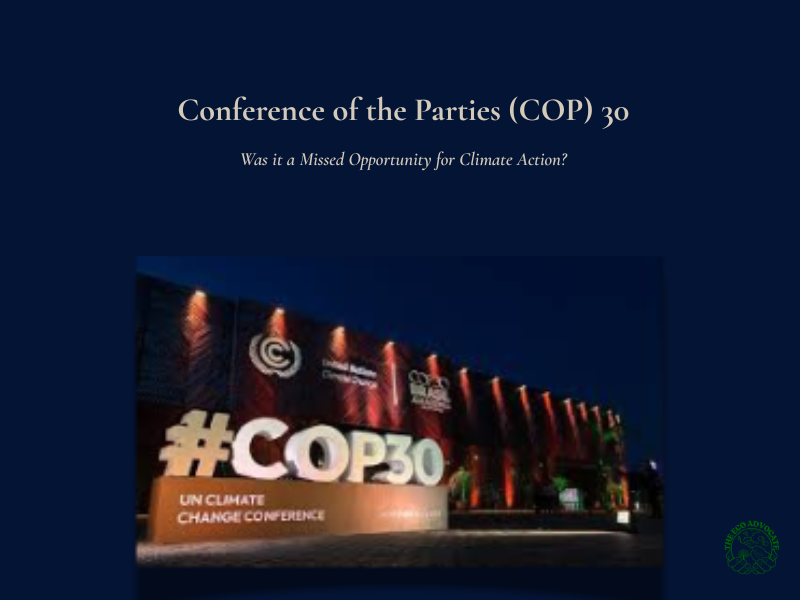
The recent COP30 climate summit in Belém, Brazil, which took place from November 10-22, ended with what many might call a diplomatic compromise. However, for those of us in Kenya and across Africa, where the effects of the climate crisis are already profoundly impacting livelihoods, the outcomes of the summit often feel less like progress and more like a missed opportunity.
What COP30 Delivered and What It Didn’t
One of the most critical shortcomings of COP30 was the absence of a binding plan to phase out fossil fuels. Despite calls for action, the final text did not include any clear, time-bound commitments to halt oil, gas, or coal extraction, right down to the fact that the phrase “fossil fuel” was notably missing. While more than 80 nations did support the drafting of a transition roadmap away from fossil fuels, this initiative remains political rather than legal. It lacks a concrete timetable or any enforcement mechanism, making it less effective as a tool for real change.
As expected, the usual roadblocks came from petrostates, notably Saudi Arabia and Russia, which resisted stronger language regarding fossil fuels. Their opposition effectively hindered the pursuit of more ambitious climate outcomes.
Despite these challenges, there were some incremental wins, particularly surrounding renewable energy and green industry initiatives. COP30 did result in commitments to expand renewable energy sources, improve decarbonization in industries, reduce methane emissions, and make significant investments in energy system infrastructure. A new initiative focused on green industrialisation was launched under the “Belém Declaration.” However, for communities already grappling with climate-induced droughts, floods, and food insecurity, these achievements feel distant and abstract.
The Climate Reality: Why Weak COP Outcomes Hurt Kenya and Africa
We are facing a harsh reality. In 2024, the World Meteorological Organisation (WMO) confirmed that global average surface temperatures reached 1.55 °C above pre-industrial levels, marking 2024 as the hottest year on record. While this is not a permanent breach of the Paris Agreement’s long-term limit, it is a distressing indication that we are nearing a tipping point where the impacts of climate change could accelerate beyond manageable levels.
Across the globe, approximately 2.4 billion people live in countries experiencing significant water stress. In Africa, particularly in arid and semi-arid regions such as the Horn, climate change is exacerbating droughts and reducing soil moisture and rainfall reliability. For farmers and pastoralists in Kenya, this is not a matter of future projections; it is their current reality. Crop failures, pasture degradation, and water shortages are already driving food insecurity, displacement, and increased poverty.
The weak global agreements resulting from COP30, particularly the absence of a concrete fossil fuel phase-out plan, further complicate these local pressures. Without decisive action to reduce greenhouse gas emissions, we are likely to see a rise in the frequency of extreme weather events, which threaten water security, food stability, and human well-being.
Moral and Strategic Injustice
It’s crucial to highlight that many African nations, including Kenya, contribute minimally to global greenhouse gas emissions yet bear an outsized burden of climate change impacts. The failure to secure strong, binding commitments at COP30 reflects a significant injustice. This inequity shifts the responsibility for adaptation onto the shoulders of ordinary people and developing-country governments, while wealthy fossil-fuel producers and historical emitters largely evade consequences for their roles in exacerbating climate change.
Why Non-Binding Language on Fossil Fuels Is Insufficient for Real Change
Science makes it abundantly clear: we need rapid and significant reductions in fossil fuel extraction and usage. Lacking binding fossil fuel exit plans and just transition mechanisms diminishes our chances of staying within the 1.5 °C target. Non-binding “roadmaps” frequently stall, turning into yet another unfulfilled promise without enforcement, liability, or a clear timetable.
This lack of responsibility perpetuates inequality, allowing powerful petro-states and fossil-fuel investors to continue extraction while the most vulnerable communities in Africa face escalating climate challenges.
What COP30’s Failure Should Mean for Africa and for Kenya
Labelling COP30 a shortcoming should not be viewed as an indication of demoralisation; rather, it’s a realistic assessment that underscores the need for a shift toward stronger, more autonomous actions. For Kenya and the broader African civil society, this means exploring alternatives beyond UN negotiations:
- Investing in Domestic Policies: We can work toward stronger regulations to discourage new fossil fuel projects, enforce environmental impact assessments, and implement moratoria on upstream oil investments.
- Pursuing Legal Accountability: It’s essential to hold governments and corporations accountable when fossil fuel projects threaten vital resources like water and land.
- Accelerating Divestment: We should consider withdrawing investments from fossil fuel assets across public funds, pensions, and institutions, redirecting resources towards renewables, resilience, and adaptation strategies.
- Strengthening Local Adaptation: Community efforts, such as water harvesting, drought-resistant agriculture, and early-warning systems, are crucial for building resilience.
- Fostering Awareness and Action: Mobilising public awareness and climate justice movements can empower individuals to demand stronger climate actions.
As we move forward, we must keep in mind that while COP30 may have fallen short, the pursuit of climate justice and sustainable development remains an urgent and collective responsibility.