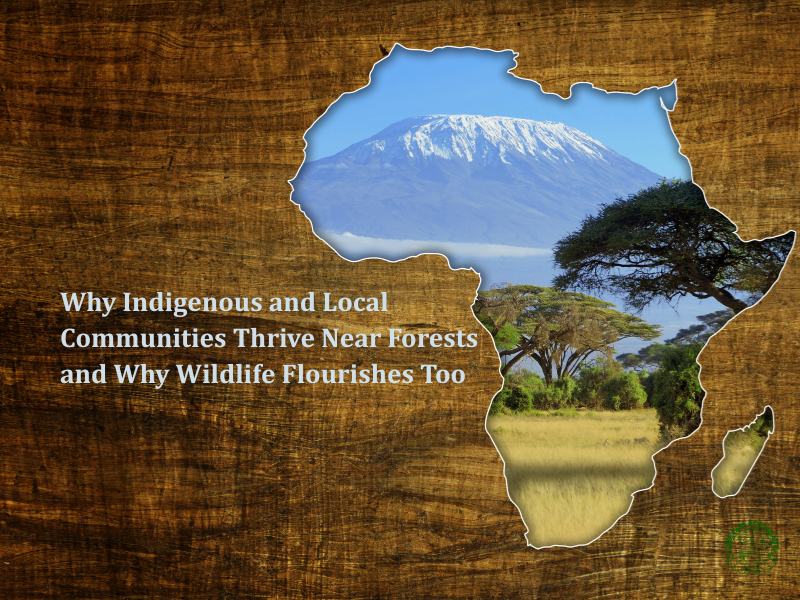
All across Africa, from the landscapes of the Mau Forest in Kenya to the sprawling expanse of the Congo Basin, you’ll notice a remarkable trend: where Indigenous and local communities have a deep connection to forests, the ecosystems around them are healthier, and wildlife is abundant. It reflects generations of knowledge and cultural practices that see nature not as something to exploit, but as a relative to care for.
Conservation as a Way of Life, Not a Project
For many Indigenous and forest-adjacent communities, conservation isn’t a side project or a box to check for NGOs or governments. It’s woven into the fabric of everyday life, shaping how they use land, gather food, read seasonal changes, and make decisions.
Forests are much more than resources for timber or carbon storage. They’re sources of medicine, food, spiritual significance, identity, and continuity for these communities. This worldview naturally fosters qualities like restraint and long-term thinking, values that modern conservation often struggles to maintain through policies. When your survival is directly linked to the health of your environment, any degradation feels personal and urgent.
Deep Knowledge of Wildlife and Ecosystems
Indigenous and local communities possess a remarkable depth of knowledge about the wildlife and ecosystems around them—knowledge built over generations through careful observation. This understanding allows them to:
- Anticipate wildlife movements rather than just reacting to them
- Identify early signs of ecological stress or imbalance
- Develop coexistence strategies that reduce conflict without resorting to extermination
Often, this knowledge goes beyond what’s captured in formal management plans, which may rely on short-term studies and outside assumptions.
Sustainable Use Without Depletion
There’s a common misconception that conservation means keeping humans away from nature. In reality, many communities have created systems that allow them to use forest resources sustainably. Some of these practices include:
- Rotational harvesting
- Seasonal restrictions
- Designating sacred or protected areas where extraction is off-limits
- Cultural traditions that prevent overuse
These practices aren’t just accidental; they’re adaptive strategies honed over time to ensure resources are available for generations to come. For these communities, sustainability isn’t just a buzzword; it’s a vital survival strategy.
Cultural Balance and Ecological Protection
In many cases, wildlife protection is deeply rooted in cultural beliefs. Certain animals are seen as sacred messengers or guardians tied to ancestry and moral codes. This creates a natural incentive to protect biodiversity; an ecosystem in decline isn’t just an ecological issue; it threatens cultural identity, spiritual balance, and even physical health.
When ecosystems fail, cultures often suffer right alongside them.
Human–Wildlife Conflict: Reality, Not Romance
It’s essential to acknowledge the reality of human-wildlife conflict. Crops can be destroyed, livestock can be lost, and sometimes, lives can be endangered. Yet, what often goes unnoticed is the incredible level of tolerance and adaptation that these communities display despite the risks they face. Coexistence isn’t just passive acceptance; it requires negotiation, innovation, and resilience.
Unfortunately, too often, these very communities find themselves criminalised, labelled as encroachers or poachers, while larger extractive industries operate with legal protections. This imbalance not only perpetuates injustice but also undermines conservation efforts.
From Criminalisation to Custodianship
Across Africa and beyond, there’s clear evidence that when Indigenous and local communities are recognised as custodians of their land, they are given rights, decision-making power, and a fair share of benefits, forests and wildlife flourish. Exclusionary conservation may create protected areas on paper, but it frequently erodes trust and fuels conflict, ignoring the very people who have been protecting these landscapes for generations.
True conservation doesn’t start with fences or restrictions; it begins with respect.
The Path Forward
If we want conservation to succeed in a world facing climate change and biodiversity loss, we can’t rely on superficial forms of community engagement. We need to:
- Secure land and resource rights for Indigenous and local communities
- Integrate traditional knowledge into formal conservation planning
- Shift funding and power closer to the people who live in these ecosystems
- Measure success not just by wildlife numbers, but also by human dignity and resilience
The communities that have held onto their connection with nature are not barriers to conservation; they are its strongest allies.
At Eco Advocate, we firmly believe that environmental protection and social justice are intertwined. Conservation that overlooks the needs and rights of people is destined to fail, while conservation that places communities at its heart has the power to endure and thrive.