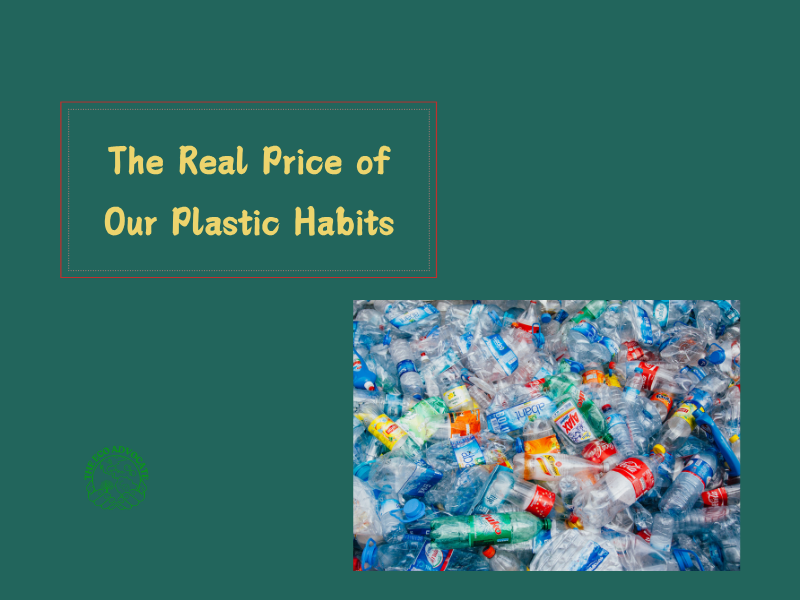
In our fast-paced world, convenience is king. We crave instant access and quick fixes, but this comes at a steep price for our environment. The allure of single-use products and fast shipping has led us to normalise a throwaway culture that is damaging our planet.
Plastic, once considered a miracle material, is now a symbol of environmental neglect. Those disposable coffee cups and grocery bags that we use for mere minutes can take centuries to decompose. The plastic spoon from your lunch could outlive generations.
This issue is more than just litter; it reflects a system focused on short-term gain rather than long-term sustainability. Our quest for convenience is harming the only home we have.
We must reconsider our choices and seek alternatives that protect the environment. By shifting from a disposable mindset to one of sustainability, we can help ensure a healthier future for our planet and its inhabitants.
The Illusion of “Easy”
The word “convenience” can be misleading. It sounds harmless and even helpful. Who wouldn’t want their life to be easier? However, convenience, particularly when it comes to single-use plastics, doesn’t make life easier; it simply shifts the burden elsewhere. It is passed down to someone else, to the planet and future generations.
Take the pre-washed salad in a plastic clamshell, for instance. It saves you five minutes of preparation but contributes to hundreds of years of pollution. Similarly, a delivery meal in single-use plastic containers may seem like a nice treat for tonight, but it creates long-term problems for waste management systems.
We often overlook the true cost of our habits because the consequences are hidden from us. Every shortcut comes with a price, and right now, the Earth is the one paying that cost.
Why This Matters Now More Than Ever
The environmental clock is ticking. We are facing a convergence of crises: climate change, biodiversity loss and pollution, with plastics deeply intertwined in all of them. July is also #NoPlasticJuly, a global movement aimed at highlighting and challenging our dependence on plastic.
The stakes are high. Studies show that we produce over 400 million tons of plastic every year, with only 9% being recycled. The rest ends up in landfills, oceans or pollutes the air we breathe. If we do not rethink our reliance on convenience now, we risk leaving future generations with a planet so overloaded with waste that they may never experience a clean ocean or a healthy forest.
The Rise of Throwaway Culture
From Reusable to Disposable
It was not always like this. Just a few generations ago, milk was delivered in glass bottles, groceries were carried in cloth bags, and products were built to last. However, somewhere along the way, convenience took precedence over consciousness.
The post-WWII boom led to the rise of synthetic materials and mass production. Plastic, being lightweight and cheap, became the primary material for everything from packaging to furniture. Advertisements glorified this “modern” lifestyle, where disposability was viewed as desirable. The concept of “throwaway living” was marketed as a liberation from chores, but it resulted in a surrender of responsibility.
Now, we are facing the consequences of this shift. Plastic has infiltrated environments from oceans to mountaintops. The transition to a disposable culture didn’t just change the products we use; it altered our mindsets. We began to view resources as limitless and waste as someone else’s problem.
The Role of Marketing and Modern Consumerism
Brands have significantly contributed to the rise of a throwaway culture. Convenience has become a key selling point, not just a feature. Consider how bottled water is marketed as cleaner, safer and cooler, even though tap water in many areas is just as good if not better.
This issue extends beyond packaging. The fast fashion and tech industries thrive on planned obsolescence, creating products that are designed to be replaced rather than repaired. When your charger breaks or your T-shirt gets torn, it often feels easier to throw them away than to fix them.
Our economy rewards disposability and penalises durability. However, this model is neither sustainable nor ethical. It’s time to expose these marketing myths and demand better practices, not just from companies, but from ourselves.
Plastic Pollution: More Than Just Trash
The Long Life of Single-Use Plastics
One of the most alarming aspects of plastic is its longevity in the environment. A plastic bag can take up to 1,000 years to degrade, while a plastic bottle may take around 450 years. This is not just waste; it is a lasting legacy of pollution.
Even when plastic breaks down, it doesn’t truly disappear. It merely breaks into smaller fragments, known as microplastics, which infiltrate ecosystems, harm wildlife and enter the human food chain. Scientists have discovered microplastics in the deepest ocean trenches, on remote mountaintops and even in human bloodstreams.
Every time we choose a plastic fork instead of a reusable one or accept a free swag bag filled with plastic items, we contribute to an ever-growing, invisible storm of waste that won’t resolve itself.
Microplastics and Their Invasion into Daily Life
Here’s the alarming reality: plastic is now a part of us, literally. Microplastics have been found in the air we breathe, the water we drink and the food we consume. They have even been detected in breast milk, placentas and lungs. We are only beginning to comprehend the implications for human health.
Studies indicate that microplastics can cause inflammation, disrupt hormones and potentially affect fertility. The full extent of the damage remains unknown. But do we want to wait to discover the consequences?
Avoiding plastic is not just an environmental choice; it is also a health choice. By reducing our reliance on single-use items, we are protecting both the planet and our well-being.
Environmental Justice and Plastic Waste
Who Pays the Real Cost?
Here’s the uncomfortable truth: plastic pollution isn’t an equal-opportunity crisis. Often, those who are least responsible for the plastic problem are the ones who suffer the most. In many parts of the world, low-income and marginalised communities live near landfills, waste incinerators or plastic production plants. They face toxic air, contaminated water, and related health issues, while large corporations profit from this cycle of consumption and waste. This isn’t just pollution, it’s injustice.
Low-Income and Marginalised Communities at the Frontline
Countries in the Global South are flooded with plastic waste exported from wealthier nations. As a result, these communities become dumping grounds for a crisis they did not create.
This issue extends beyond environmental concerns; it is fundamentally a matter of human rights. Addressing plastic waste means confronting these inequalities, holding corporations accountable and ensuring that sustainability is inclusive rather than merely a trend.
Plastic and Fossil Fuels
The Carbon Footprint of Plastic Production
Plastic is made from fossil fuels, which means that items like disposable forks and candy wrappers are essentially derived from oil. The plastic industry accounts for over 6% of global oil production, and this figure is expected to increase.
Every stage of plastic’s lifecycle, from extraction to manufacturing to disposal, releases greenhouse gases. If plastic were a country, it would rank as the fifth-largest emitter of greenhouse gases in the world. Therefore, when discussing strategies to combat climate change, reducing plastic usage is an important part of the solution.
Plastic Incineration and Greenhouse Gas Emissions
When plastic isn’t recycled, which is often the case,e it frequently ends up in incinerators, especially in countries with limited landfill space. Burning plastic releases toxic chemicals such as dioxins, furans, and heavy metals into the air. These pollutants are not only dangerous but also contribute to global warming.
Furthermore, many of these incinerators are located near low-income communities. As a result, we see a cycle of pollution, inequality and a warming planet, all driven by our desire for convenience.
Rethinking Convenience
Convenience vs. Consciousness
Convenience doesn’t have to come at the cost of our planet. To change this narrative, we need to adopt a mindset of conscious consumption, one where ease does not lead to environmental harm. This means making deliberate choices instead of automatically opting for the easiest or quickest solutions.
Start by asking yourself: Do I need this? Is there a reusable alternative? What happens to this item after I use it? For instance, that coffee run can be just as enjoyable with a reusable mug, and a grocery trip can be waste-free with cloth bags and glass jars.
Convenience is only truly convenient when we overlook the long-term consequences. In contrast, a conscious approach offers something much more valuable: peace of mind, a sense of purpose and a sustainable future for our planet.
Small Shifts, Big Impact
You don’t need to completely change your life overnight. Sustainable change occurs through small, gradual shifts that accumulate over time. Bring your reusable bag. Say NO to plastic straws. Shop in bulk. Buy second-hand items. Repair things before replacing them.
These choices create a ripple effect. Your habits can inspire others. Your purchasing choices can influence markets. Your voice can hold companies accountable. It’s not about being perfect; it’s about making progress.
Corporate Responsibility and Accountability
Why It’s Not Just on Consumers
Let’s be clear: while individual actions are important, corporations hold the majority of the responsibility for plastic pollution. The leading plastic polluters are not our neighbours; they are large multinational companies such as Coca-Cola, PepsiCo, Nestlé, Unilever and others.
These companies have both the power and the obligation to redesign their packaging, reduce plastic usage and support circular systems. Unfortunately, many still prioritise profit over the planet, masking their lack of action with greenwashed public relations campaigns that claim sustainability without delivering real change.
We must demand accountability from these corporations. It’s essential to call out false solutions like “biodegradable” plastics that do not genuinely break down. We should support extended producer responsibility (EPR) laws that require companies to take back their waste. Additionally, we need to advocate for true transparency in supply chains and climate disclosures.
Policy and Systemic Change
Systemic problems require systemic solutions. This means we need better laws, stronger regulations and increased political will. Implementing bans on single-use plastics, providing incentives for refillable systems and supporting zero-waste businesses are the kinds of large-scale changes we need.
Support leaders and policies that prioritise the environment. Vote with both your wallet and your ballot. Real change occurs when government, industry and individuals collaborate effectively.
Circular Economy: The Future of Sustainability
What Is a Circular Economy?
Currently, we operate within a linear economy: take, make and waste. However, nature does not function in this way. In a circular economy, nothing goes to waste; everything is reused, repaired or regenerated.
Imagine a world where packaging is reusable, electronics are designed to last, and food waste is turned into compost instead of ending up in landfills. This is not just a dream; it is a blueprint for the future.
Circular systems eliminate waste from the outset. They create jobs, strengthen communities and protect the planet. Importantly, they are not exclusive to niche brands; major companies are already exploring circular business models.
How to Participate in the Circular Economy
You can join the movement for change, too. Purchase products that are designed to last. Select brands that offer take-back programs. Instead of throwing things away, consider repairing, swapping, or donating them. Support local businesses that prioritise minimising packaging and waste.
It’s important to view waste not as trash, but as a resource, something that can be transformed. We should shift our mindset from “throwaway” to “forever.”
Plastic-Free July: A Catalyst for Change
What Is #NoPlasticJuly?
#NoPlasticJuly is more than just a hashtag; it’s a global movement that encourages people to rethink their use of plastic and adopt sustainable habits. It started in 2011 in Australia and has since inspired millions of participants in over 170 countries.
Each July, individuals, schools, and businesses pledge to reduce or eliminate their use of single-use plastics. This month serves as a time for education, experimentation, and empowerment. It reminds us that we don’t need to wait for permission to begin living more sustainably.
How to Get Involved
- Take the #NoPlasticJuly challenge.
- Host or join a plastic-free community event.
- Share your journey on social media to inspire others.
- Support brands and stores that align with your values.
- Educate friends and family with kindness, not judgment.
Begin where you are. Utilise what you have. Do what you can. The aim isn’t perfection; it’s engagement.
From Individual Action to Collective Power
The Power of Community
Change can feel difficult when you’re doing it alone. However, when you’re part of a movement, everything shifts. You realise you’re not just one voice, you’re part of a chorus. You’re not just one habit, you’re part of a revolution.
Join local zero-waste groups, support environmental justice organisations and organise clean-up events. Collaborate with neighbours and businesses to reduce plastic use. Community is where culture shifts and where real solutions take root.
Educate, Empower, Evolve
Knowledge is power. The more we understand the impact of plastic, the more motivated we are to take action. However, awareness alone is not enough; it’s essential to move towards action. Encourage others to join you in this effort by making it accessible, relatable, and enjoyable.
Remember, no one is too small to make a difference, and no action is too insignificant to matter. Every effort counts, and together, our collective actions can lead to something powerful.
Conclusion: From Convenience to Consciousness
We stand at a crossroads. One path leads to increased waste, greater pollution, and more harm to our planet. The other path leads to healing, regeneration, and balance. The choice is ours, and it begins with letting go of the myth of convenience.
Living plastic-free isn’t about reverting to the past; it’s about moving forward into a future where sustainability is the norm, not the exception. It’s about aligning our actions with our values and prioritising people and the planet over profits and packaging.
This #NoPlasticJuly, let’s reject throwaway culture. Let’s embrace intentional living. Because the future is not disposable, and neither are we.