
Beyond the
Game Drive.
Six essays about who gets to see Nairobi's wildlife, who pays for it, and what the animals would say if we asked.
“When I saw the zebras I could not hide my joy.”A child, after her first game drive
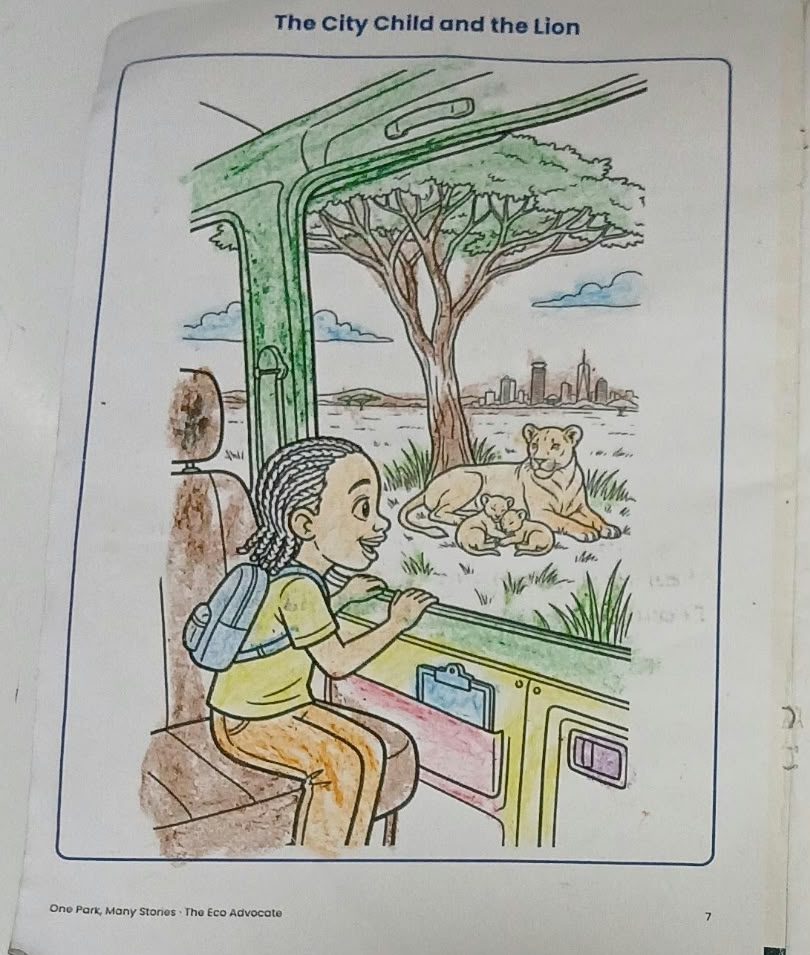
A lion, a skyline, and a gate many of us have never walked through
Nairobi National Park sits closer to the city centre than some of the city's own suburbs. No other capital on earth has wild lions and rhinos on its doorstep.
And yet many young Nairobians have never been inside. They know the park from posters, from school textbooks, from a photo someone else posted. This series asks why, and what it would mean for the park to belong to the people next door.
It is written by and for young Africans, with support from the Culture and Animals Foundation. We tried to be honest, including about the parts that are complicated.
A Saturday in September, inside the gate
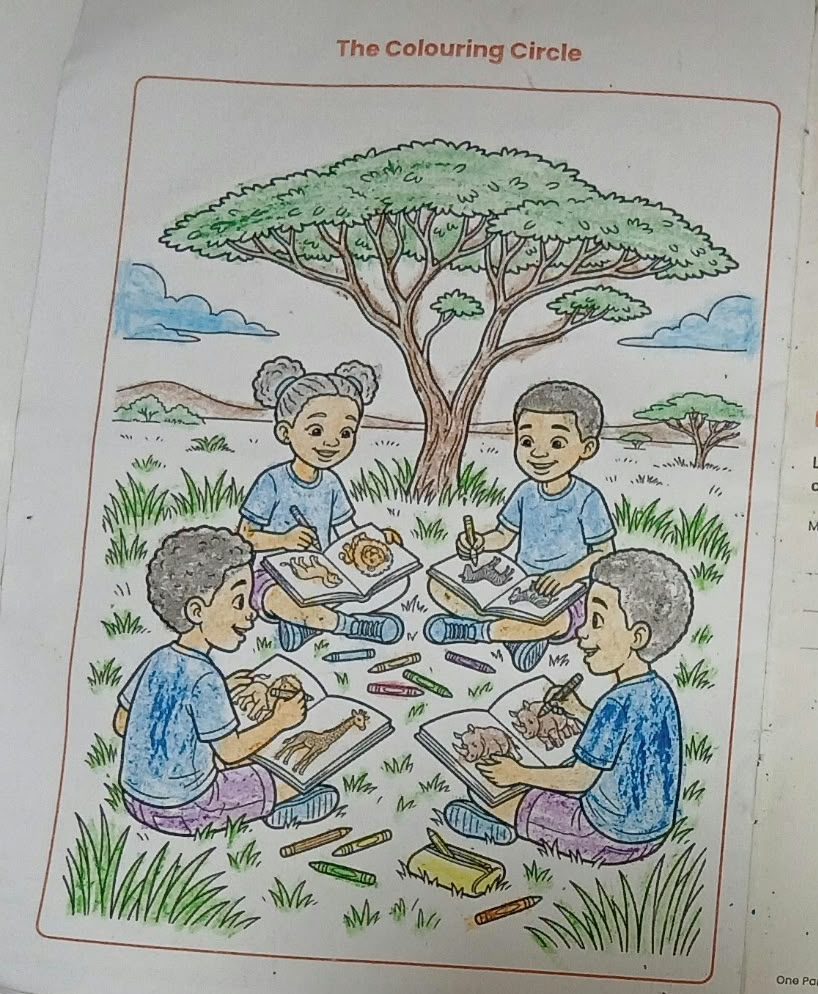
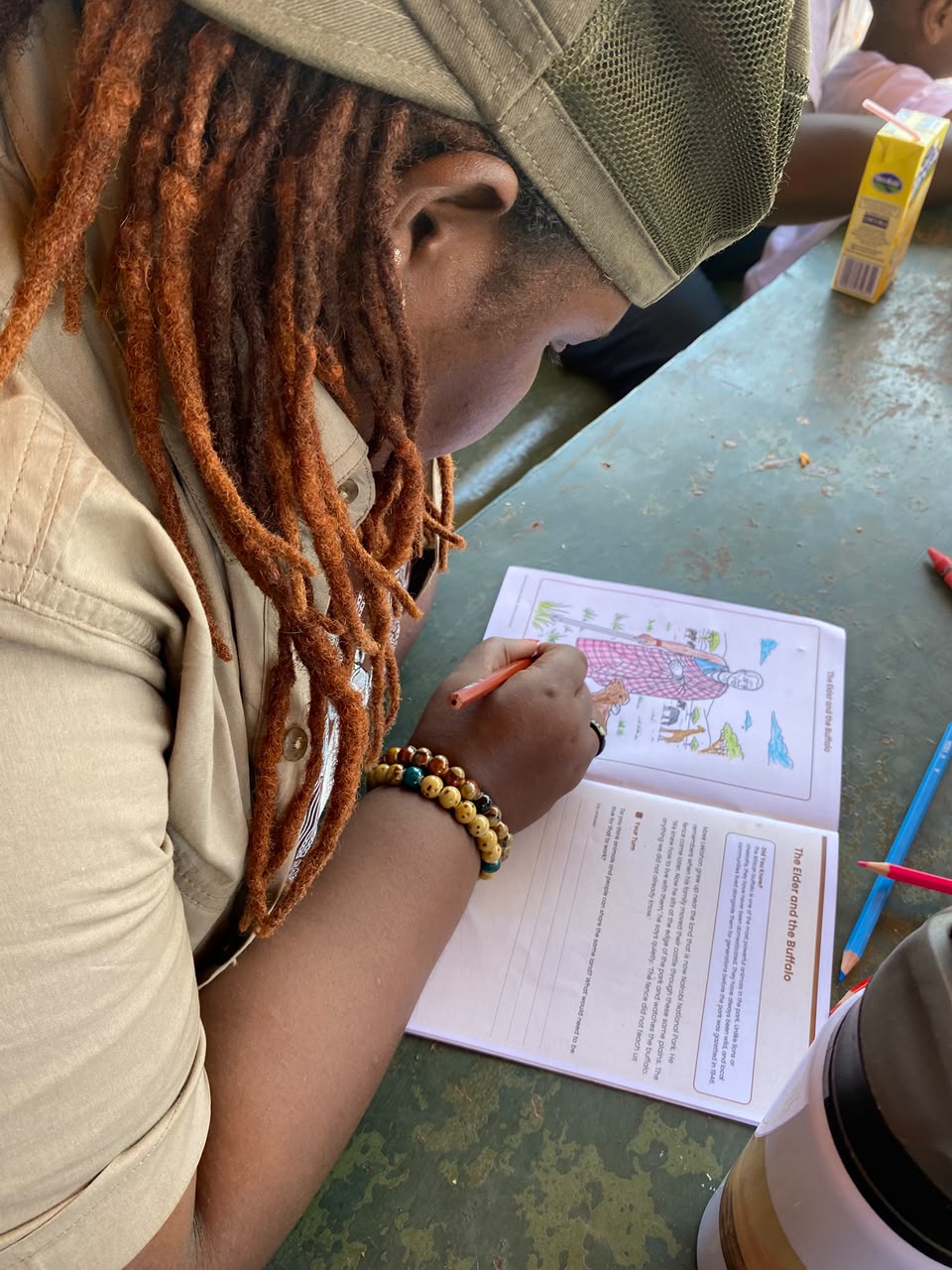
On Saturday 26 September 2026, we took two families on a children's game drive in Nairobi National Park. For several of the children it was the first time they had seen wild animals up close. They came with binoculars and colouring books, and afterwards they wrote and drew about what they saw.
We didn't want to write about young people without hearing from them. So their words are on this page, just as they wrote them.
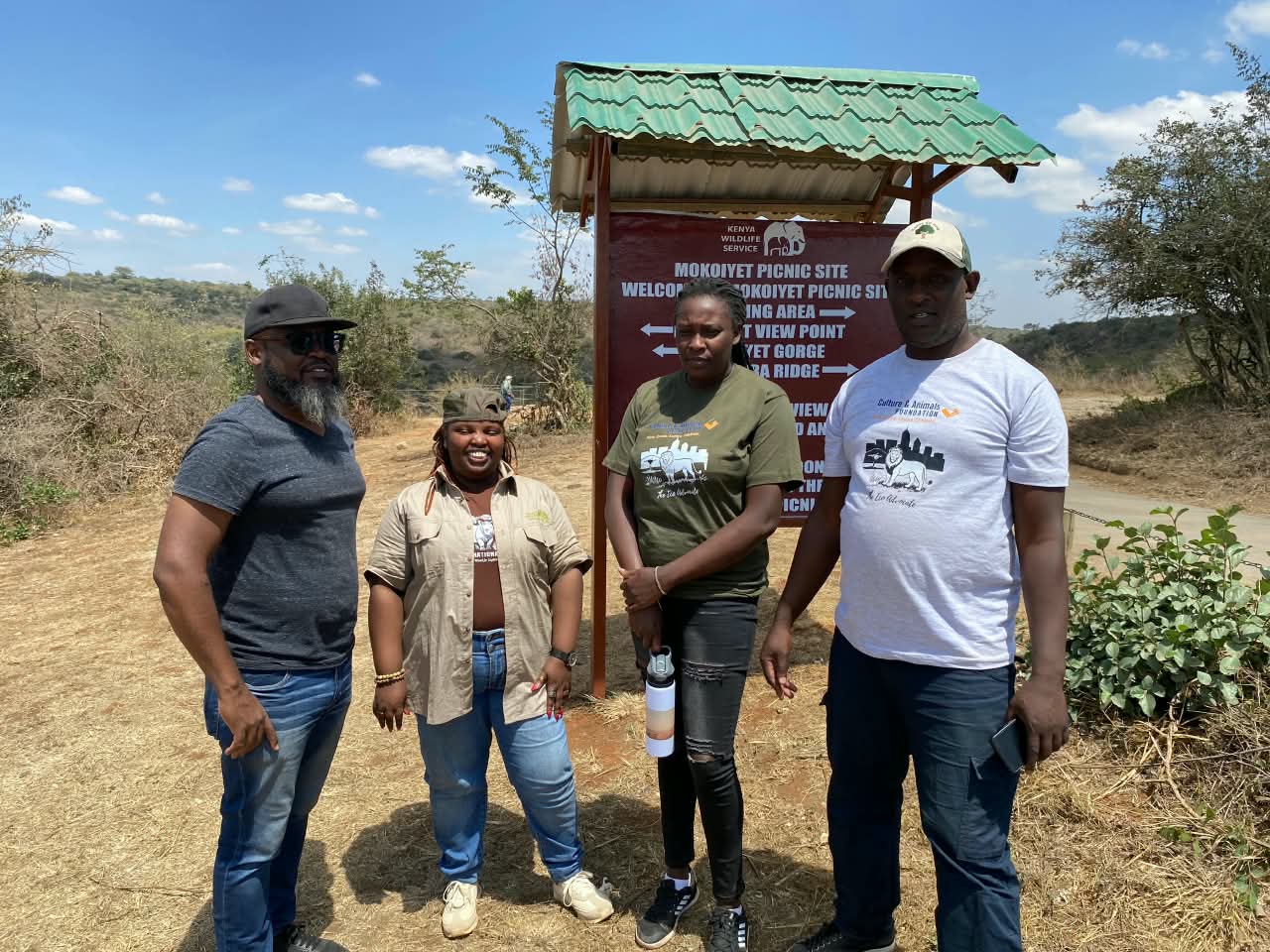
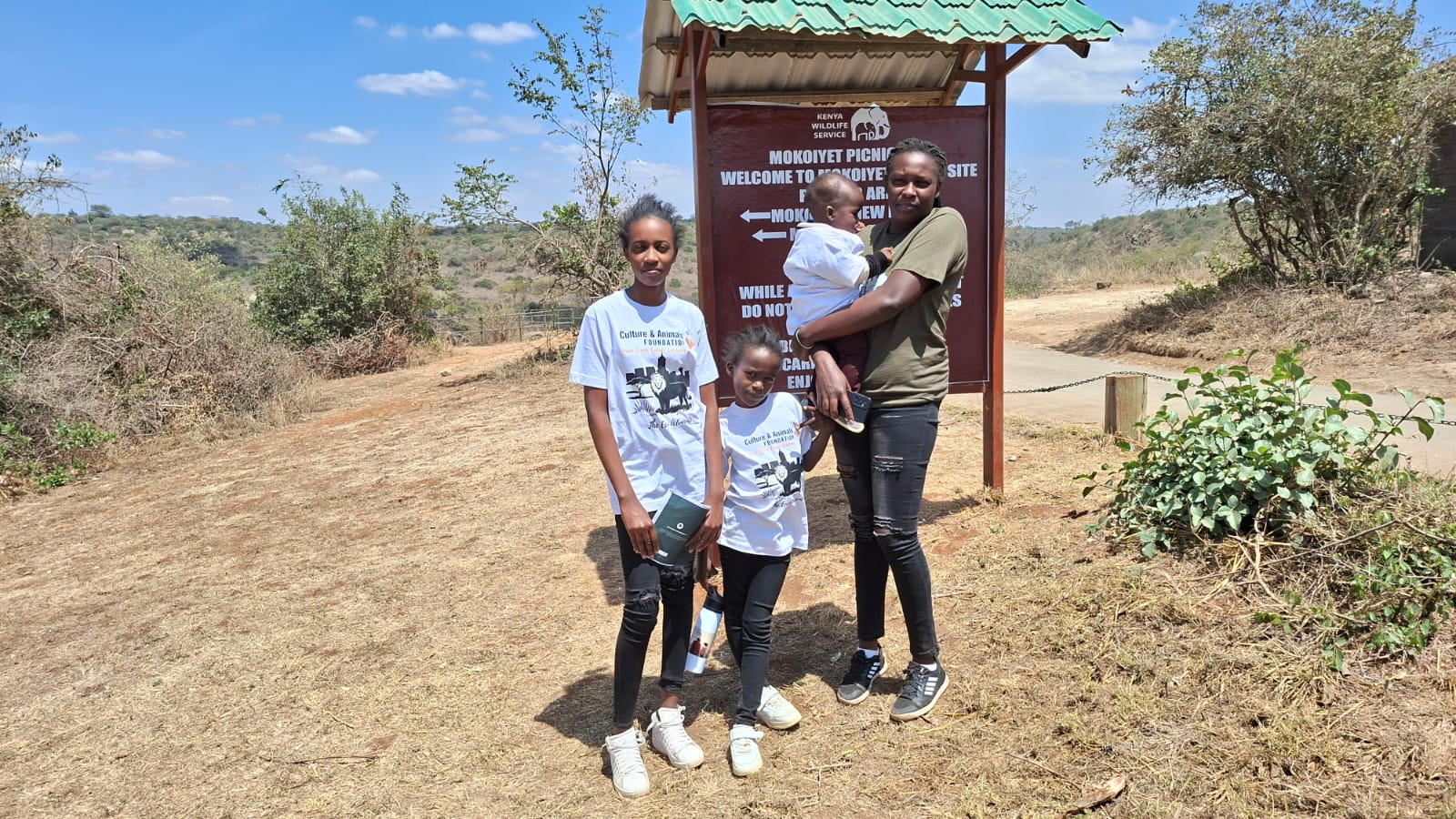
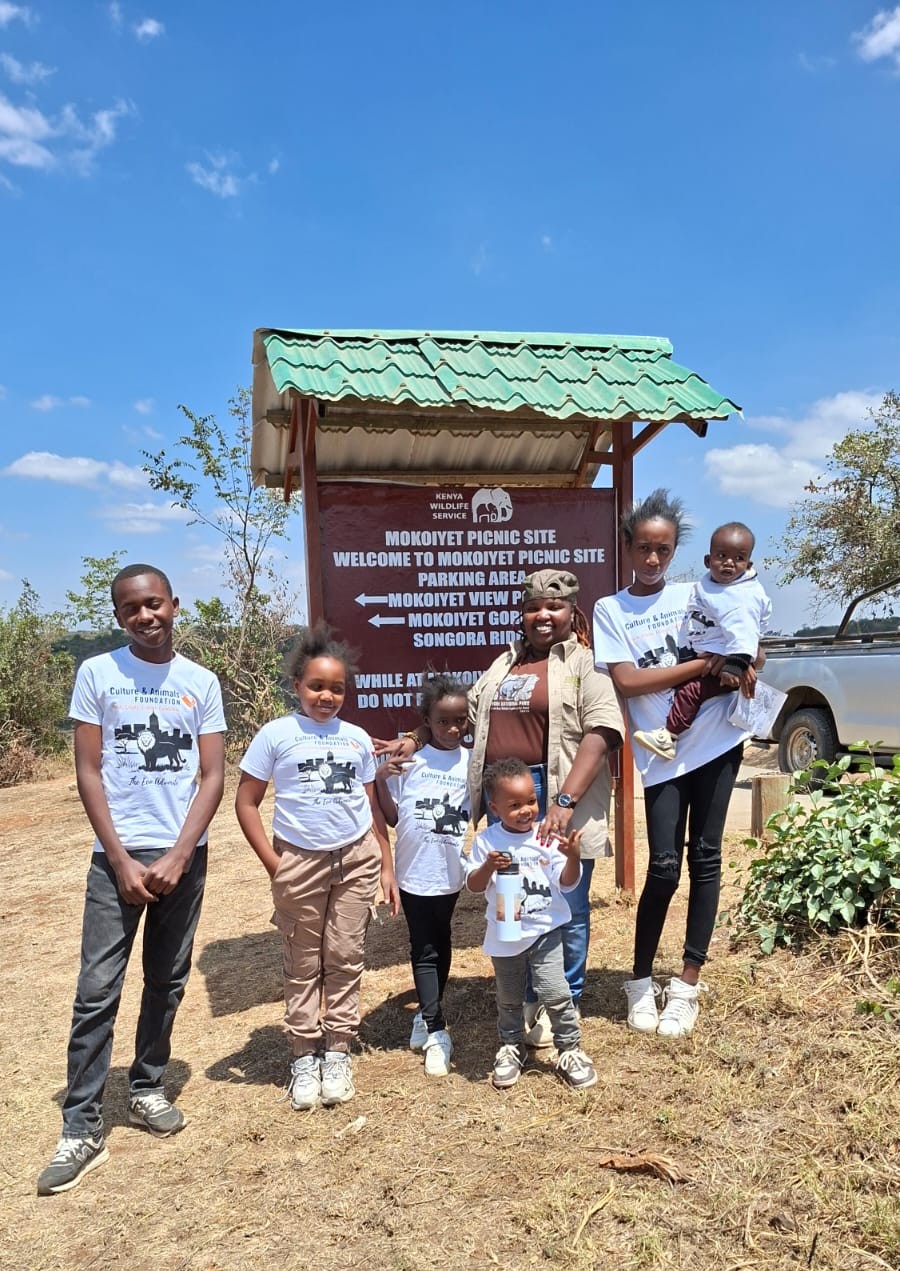
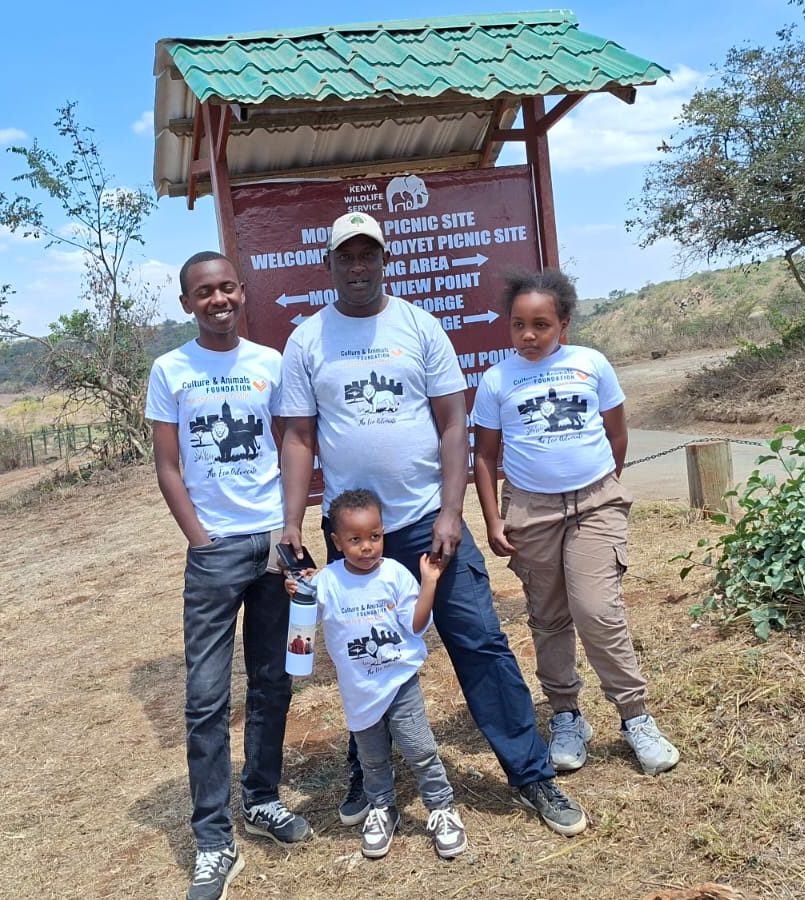
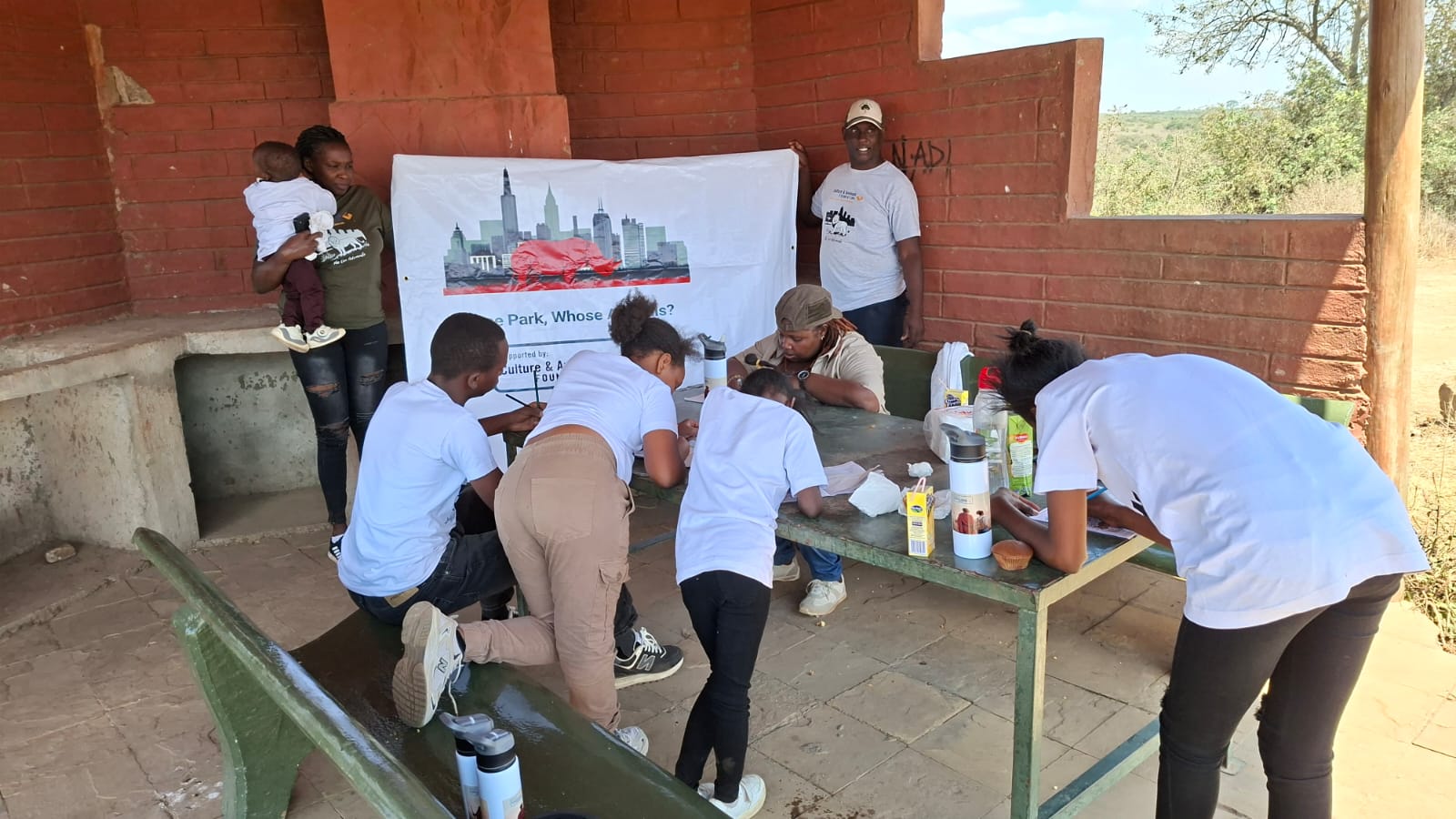
In their own words
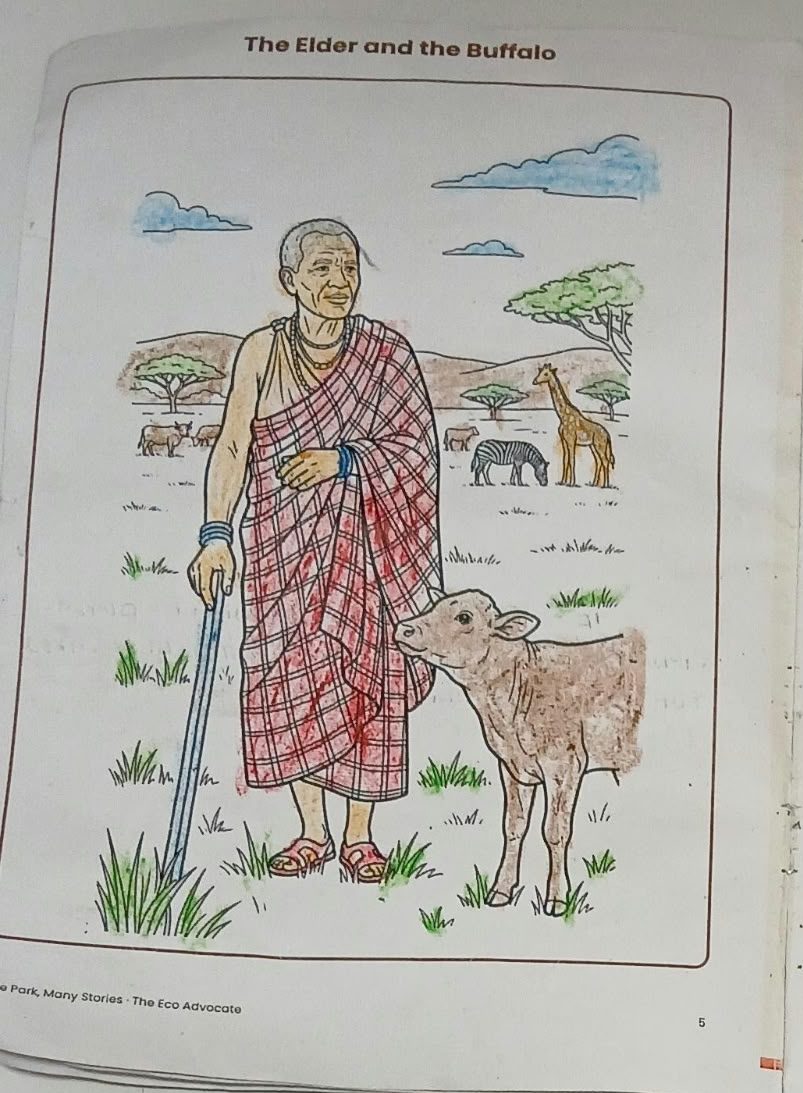
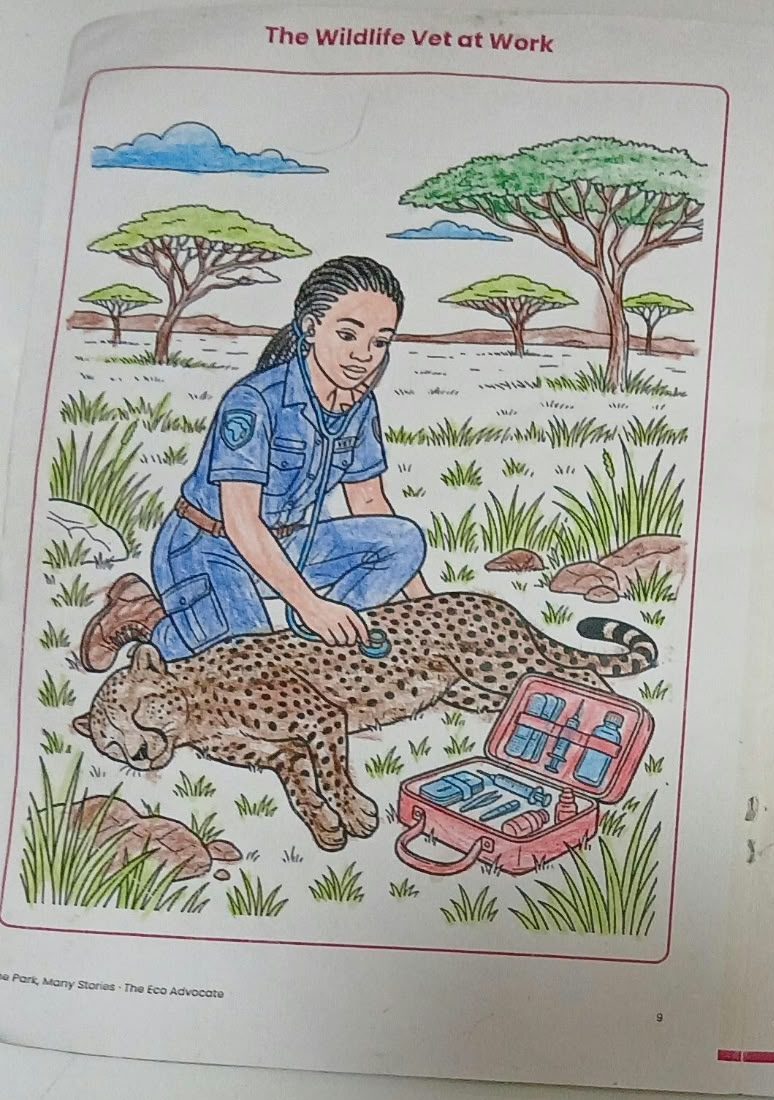
These come from the children's compositions and from the workbook One Park, Many Stories. Nothing has been corrected or polished.
I experienced the thrill of a lifetime when I took my first-ever trip to see wild animals.
Seeing these magnificent creatures living freely made me realize the true beauty of wildlife.
The park is famous for having animals living freely with tall skyscrapers in the background.
Visiting the park teaches us how important it is to protect wild animals and their natural homes so that nature and people can live freely and together peacefully.
We went and sat in the shade and started eating as we coloured our books and took photos. It was the sweetest day of my life.
When can we come back?
What the children kept asking on the drive home, as one parent remembered it
The workbook asked: “Do you think animals and people can share the same land?” Two children, two answers.
“Yes, people and wildlife do share land… But it takes careful planning.”
One child“No!”
Another child. We've left this disagreement as it is, because it's a real one.And on the fence between the park and the people outside it:
“Knowing a place from the outside is not the same as belonging to it.”
A child, answering the workbook page “Children at the Fence”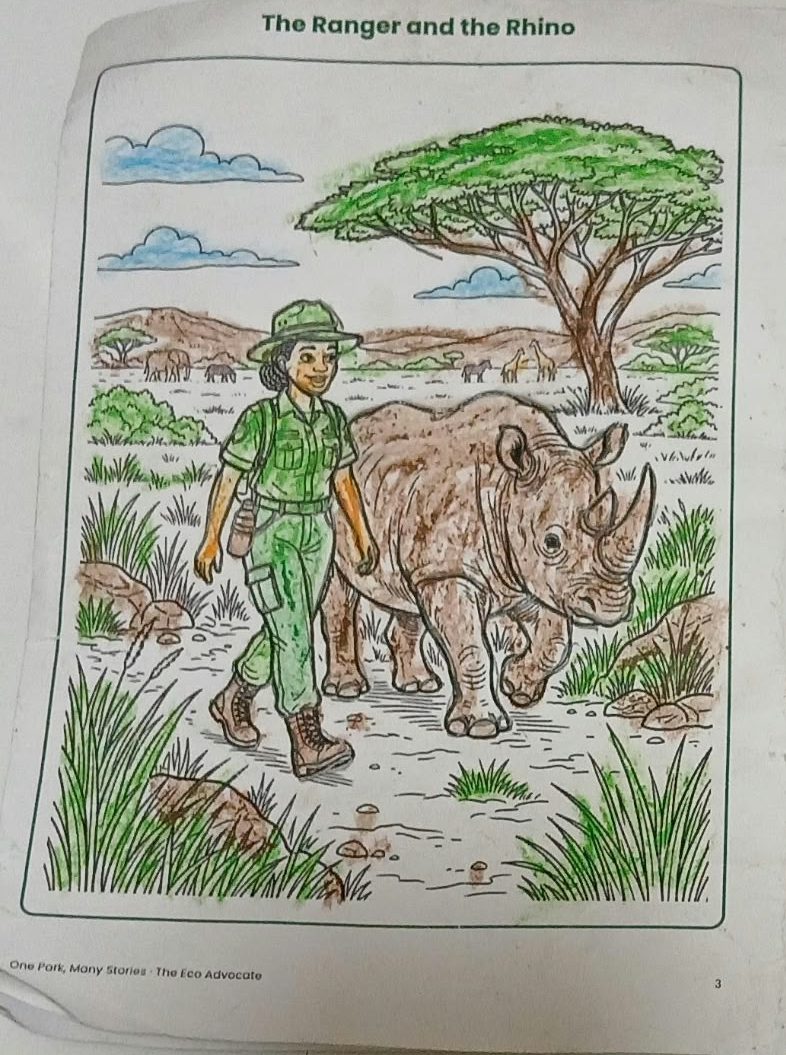
The six essays
Read them in any order. Each one stands on its own, and together they try to answer the question in the title.
-
Part one
Read essay
The Cheapest Wilderness in the World
Why a park this close to millions of people can still feel out of reach, and who the price is really set for.
-
Part two
Read essay
The Animals Who Are Never Just Watched
A rhino is darted, crated and moved north to keep her species alive. What do we owe the animals we manage and display?
-
Part three
Read essay
Rangers, Guides, and the Labour Behind the Postcard
The people between the tourist and the lion, and what their work costs them.
-
Part four
Read essay
South of the Fence
Maasai families in Kitengela keep land open for wildlife while the money from tourism mostly goes elsewhere.
-
Part five
Read essay
What Nairobi's Youth Know About the Park Next Door
What young people know about their park, what changes when they walk through the gate, and what the children on our drive told us.
-
Part six
Read essay
After the Postcard
The park is a conservation success, a managed product and a home for individual lives, all at once. How do we hold all three?
Go and see it for yourself
If you've never been, you're not late. Take a younger cousin, a friend, your class. Bring something to draw with.
Kenya Wildlife Service has child and student rates and resident rates, so check their current fees before you go. Then tell us what you saw.
Why I wrote this
I grew up knowing the park was there, and I didn't see it for what it was until I started asking who it was for. These essays are me asking out loud. I haven't got all the answers, and where I'm unsure I've said so.
If you disagree with something, good. Write to me. This conversation is better with more of us in it.
Winnie Cheche

