Composting is often celebrated as one of the simplest and most impactful eco-friendly habits we can adopt. It takes kitchen scraps and garden waste and turns them into nutrient-rich compost instead of sending them to landfills. Sounds perfect, right? Yet, when most households try it, the reality can be quite different. Many people start enthusiastically but abandon their compost pile just a few weeks later. Why does this happen? Let’s break it down.
The Smell Factor
One of the biggest complaints about traditional composting is the odour. Instead of the earthy scent of healthy soil, poorly managed compost piles often smell rotten or sour. This occurs when food scraps and other organic waste decompose anaerobically (without enough oxygen). The lack of airflow promotes the growth of bacteria that produce methane and unpleasant odours, exactly what makes a compost heap hard to maintain, especially in small spaces.
Pests and Mess
Where there’s food waste, there are usually pests. Open or poorly sealed compost piles can attract flies, rats and even neighbourhood dogs. For households in urban or suburban settings, this can be a deal-breaker. No one wants their eco-friendly project to become a breeding ground for unwanted animals.
The Labour Problem
Traditional composting requires time and effort. You need to regularly turn the pile, balance your greens (nitrogen-rich waste) with browns (carbon-rich waste), and monitor moisture levels. It’s essentially a hands-on science experiment that not everyone has the patience or knowledge for. When it starts to smell, gets slimy or looks unmanageable, many people simply give up.
The Waiting Game
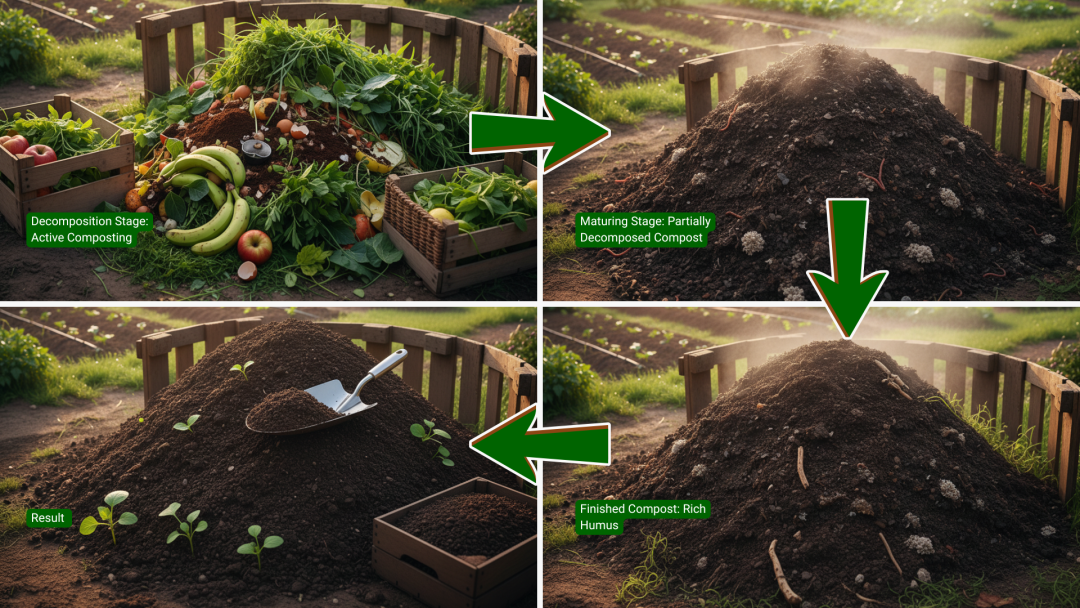
Even when done correctly, composting is a slow process. It can take six months to a year to produce usable compost from a standard pile. In today’s fast-paced world, that wait can feel endless, especially when dealing with smelly waste in the meantime.
The Gap Between Good Intentions and Practical Solutions
Despite widespread awareness of composting’s benefits, adoption rates remain low. People care about reducing waste, but they also need solutions that fit into their daily lives without adding extra hassle. This is where modern composting technology, like the Aerobin, changes the game. By addressing the issues of odour, pests and effort, it transforms composting from a chore into a simple, clean, and reliable process.
Stay tuned for Part 2, where I’ll explore the science behind odourless composting and how innovations like the Aerobin work.