
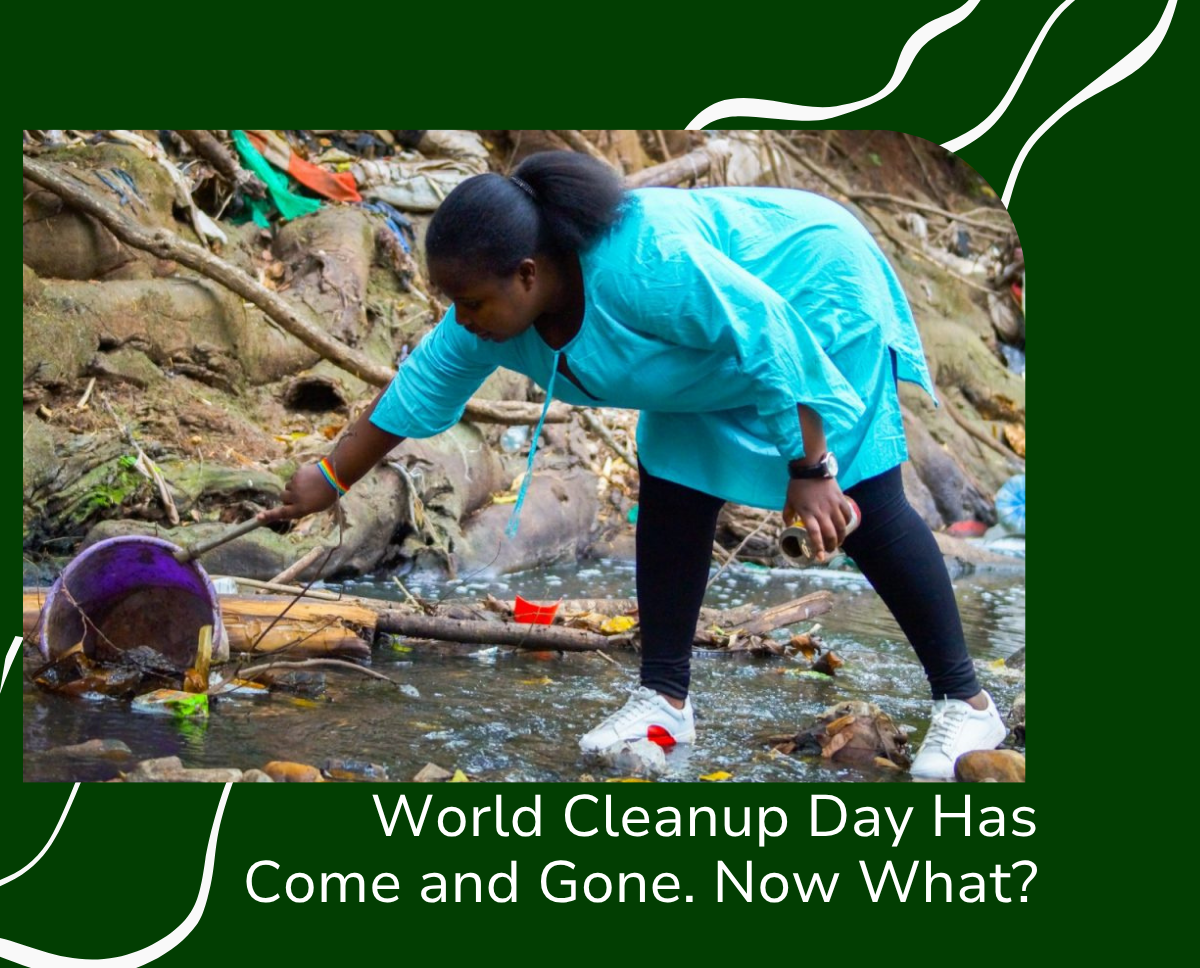
Yesterday, September 19, marked World Cleanup Day, an initiative that mobilizes millions of individuals across over 150 countries to engage in environmental cleanup efforts. Participants focused on cleaning parks, beaches, rivers, and streets, showcasing a collective commitment to improving local environments. However, the significance of such a day extends beyond the immediate cleanup; it raises important questions about our behaviors and practices on the remaining 364 days of the year. To make a lasting impact, it is essential to consider how we can integrate these environmentally conscious actions into our daily lives. Let’s explore this further.
What is World Cleanup Day?
The movement is a global initiative organized by volunteers and takes place annually on the third Saturday of September. It originated in Estonia in 2008 when tens of thousands of individuals united for a day to remove illegal dumps throughout the country. This single day of action has since evolved into an international movement that demonstrates how simple actions can lead to significant impacts.
Why does it matter?
Litter does not remain in the location where it is discarded. Natural forces such as wind and rain can transport it into drainage systems. These drains ultimately lead to rivers, which then flow into the ocean. In this process, plastic debris poses significant threats to wildlife, obstructs waterways, and gradually degrades into microplastics. These microplastics can infiltrate our soil, water sources, and even the food we consume.
This issue extends beyond environmental concerns; it also encompasses public health, wildlife preservation, and social justice. Wildlife affected by plastic pollution lack the ability to voice their struggles, making it imperative for us to advocate for change.
Where does this hit home?
Kenya was one of the pioneer countries globally to implement a ban on plastic bags, demonstrating significant courage in environmental leadership. However, the effectiveness of such bans relies on a combination of daily practices, effective waste management systems, and community engagement to ensure collective accountability. It’s important to consider the implications of our waste management; for instance, what substances are flowing through the drains outside our homes when it rains?
Who is responsible?
Effective waste management is a collective responsibility that involves several key players. Governments need to establish and enforce robust waste management systems to ensure sustainability. Companies should take accountability for the packaging they create, minimizing waste and promoting recycling. Additionally, individuals must recognize that discarding items doesn’t eliminate them; everything we throw away ends up somewhere. There is no true “away”—we must be mindful of the impact of our waste.
How do we keep the momentum going?
Cleanup is only half the story. The other half is stopping the mess before it starts. Here is where to begin:
- Carry a reusable bottle, cup, and shopping bag everywhere you go.
- Say no to single-use plastics whenever you have a choice.
- Sort your waste at home into recyclables, organics, and general waste.
- Join or start a monthly cleanup in your estate, school, church, or workplace.
- Support local groups and waste pickers who do this work every single day.
- Speak up. Ask your leaders and local businesses what they are doing about waste.
If you joined a cleanup yesterday, thank you. You showed up for the planet. And if you missed it, it is not too late. The next cleanup can be today.
It’s that simple. Pick up one bottle. Then another. Then invite a friend.
Let’s not wait for the next World Cleanup Day to care.


Discover more from The Eco Advocate
Subscribe to get the latest posts sent to your email.


