
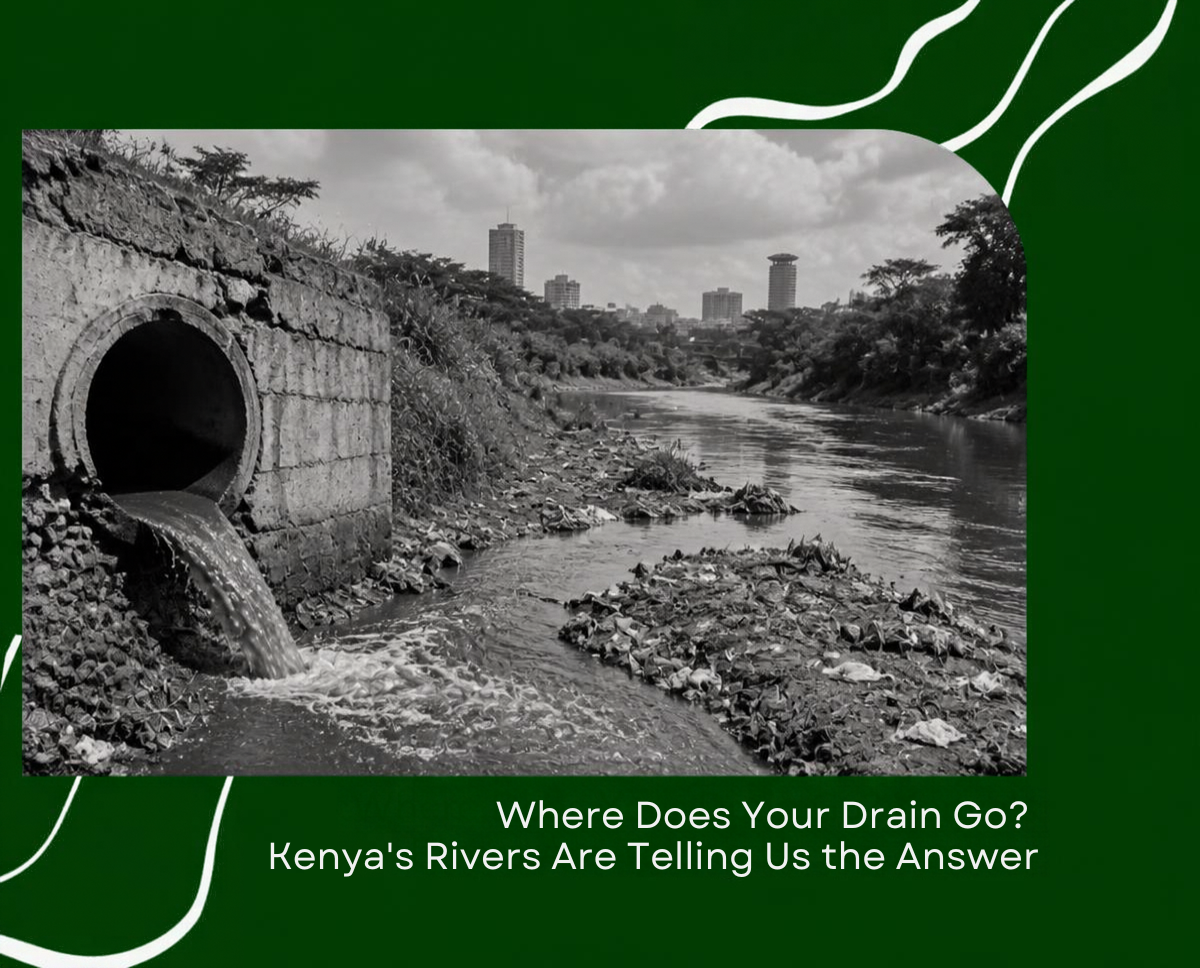
Rivers act as channels for the waste we discard, impacting cities, wildlife, and communities in Kenya. Polluted waterways pose health risks in urban areas and disrupt ecosystems that rely on clean water. Communities near these rivers suffer as their livelihoods like fishing and agriculture, are jeopardized by pollution.
To address these issues, it’s crucial for individuals and organizations to work together on initiatives such as improving waste management, organizing clean-up efforts, and raising awareness about protecting our rivers. By taking action, we can restore the health of Kenya’s waterways for the benefit of both people and wildlife.
Quick take
- A river is the sum of everything upstream: litter, sewage, runoff and what goes down the drain.
- People and wildlife downstream pay for what happens upstream.
- Small actions (knowing your river, reporting dumping, sorting waste) add up when communities do them together.
Are you aware of the nearest river to your home? Do you know where the drainage system located outside your property leads? September 27th marked World Rivers Day, prompting us to reflect on these questions. For many, the reality is that we may not have taken the time to investigate our local waterways.
In a previous discussion, I highlighted the concept that there is no true “away” when it comes to waste and water management. Rivers exemplify this idea; they play a crucial role in our ecosystem and communities, making it essential for us to understand their significance and connection to our daily lives.
What is World Rivers Day?
The last Sunday of September is designated as a day to celebrate rivers and promote their protection. This occasion serves as an important opportunity to reflect on a fundamental question: what burdens or responsibilities are we placing on our rivers?
Why do rivers matter beyond the view?
Rivers play a crucial role in the ecosystems and communities they pass through. They provide essential resources such as drinking water, irrigation for agriculture, and habitats for fish and wildlife. Additionally, rivers often serve as vital corridors for wildlife and are typically found along the borders of urban areas. Importantly, the health and conditions of a river are interconnected: actions and changes upstream can significantly impact those living downstream, highlighting the need for responsible management of river systems.
Where does this hit home?
In and around Nairobi, a network of rivers and streams flows through various settlements, estates, and industrial zones as they make their way to larger ecosystems. Unfortunately, these waterways often carry litter, sewage, and runoff along their paths. My exploration of the city’s river restoration initiatives, detailed in “Kenya’s Housing and River Projects: A Look Beyond the Applause,” reveals an important insight: the effectiveness of clean-up efforts is sustainable only when the underlying causes of pollution are addressed.
Who is responsible?
Everyone along the chain. County governments and water service providers manage sewers and drainage. Industries must treat their effluent. Regulators such as NEMA enforce the rules. Developers shape how water moves. And residents decide what goes into the drain. Young people are also stepping up: youth-led groups are mapping where wastewater and waste enter rivers, which gives leaders the data they need to act.
How do we act?
- Learn your river’s name and walk to it once. You’ll never see it the same way.
- Never pour paint, oil or chemicals into drains, and never dump waste in drainage channels.
- Report sewage overflows or industrial discharge to your county water service provider or NEMA.
- Start or join a river clean-up, and plan the follow-up (monthly, not yearly).
- Cut single-use plastic at the source, because the cheapest clean-up is the litter that never happens.
- Support youth and community groups mapping pollution, and ask your leaders to use their data.


Discover more from The Eco Advocate
Subscribe to get the latest posts sent to your email.


