
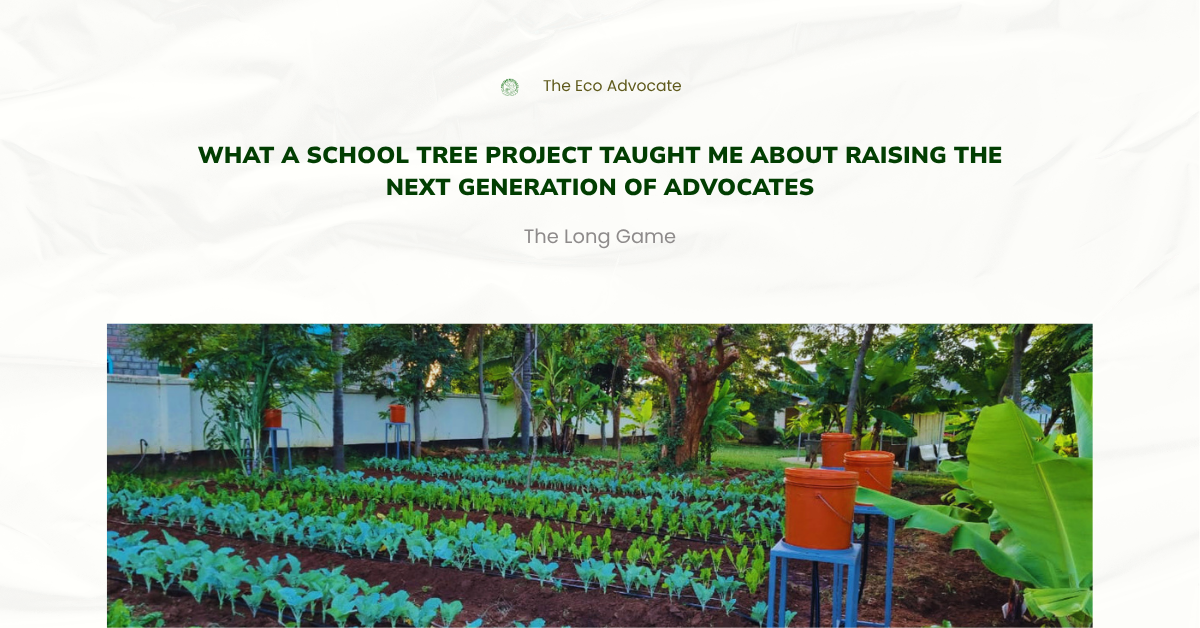
Have you ever witnessed a child truly engage with nature for the first time? It’s a magical moment, one I’ve been fortunate enough to experience multiple times while working with students. Each of those encounters has reshaped my understanding of what it means to advocate for our environment and share that passion through this blog.
The Long Game in Conservation
Let’s be honest most conservation conversations tend to focus on adults who are already on board with the cause. While that’s undoubtedly important, I’ve come to realize that winning the long game hinges on a different approach. It’s about nurturing kids who grow up with a keen awareness of their surroundings. Consider this: what happens when children learn to notice a dying sapling or understand the vital work that wetlands perform? They become comfortable voicing their thoughts on why wildlife deserves our protection. This isn’t knowledge acquired through a single lesson; it’s a gradual cultivation, an ongoing journey built on repetition, ownership, and plenty of time spent outdoors.
What Does Youth Eco-Education Actually Look Like?
When we think of eco-education, our minds may automatically picture a classroom filled with colorful posters about recycling or conservation facts. But let me share a different vision, one that’s more dynamic and engaging.
It looks a lot like the tree project I’ve been part of, where students take on real responsibility for a living organism. Imagine a child regularly checking on a tree they’ve planted, observing any changes, and feeling a sense of pride when it thrives. It includes moments spent outdoors, whether guided by adults or exploring solo, devoid of screens, and allowing for boredom, a fertile ground for curiosity to blossom.
Engagement is more than just cheering slogans; it’s about adults donning the educator’s hat and answering questions like, “Why does this matter?” with honesty. Kids need to hear authentic responses, not just inspirational quotes.
Why Does This Matter More Than Another Awareness Campaign?
The core of the issue lies in the fact that awareness alone doesn’t guarantee lasting change. Think about it: awareness fades if it isn’t regularly refreshed, but habits and identity have staying power. Imagine a child growing up believing they are someone who cares for trees, advocates for wildlife, and actively considers their impact on the environment. That mindset isn’t merely a phase; it becomes woven into the fabric of who they are.
This process transcends teaching simple facts; it’s about fostering the next generation of advocates who will carry this torch forward, hopefully with even greater commitment and creativity than we did.
Who Should Be Leading This?
The responsibility of cultivating environmental advocates doesn’t rest solely on schools; it is a collective effort that includes parents, community leaders, and organizations. Yet schools possess a unique advantage: they offer consistency, repetition, and peer reinforcement. When an entire class shares the responsibility of a tree project, it transforms into a cultural experience rather than simply a family endeavor.
Where Does This Start?
If you’re intrigued but unsure how to kick off a program like this, take heart, it all starts small. Think about it: one tree, one clean-up, one afternoon spent outdoors where curiosity can flourish. The kitchen-garden project didn’t begin with grand ambitions; it evolved over time because it worked. The key is taking that first step, no matter how tiny it may seem.
When is the Right Age to Start?
It might surprise you to learn that it’s often younger than we think. Young children are naturally curious about their environment. This curiosity lays an essential foundation, you’re not creating interest from scratch. Instead, you’re nurturing it, ensuring that their innate fascination with living things doesn’t fade away as they grow up.
How Do You Actually Build This, Practically?
- Give Kids Ownership of Something Specific: Whether it’s a tree, a small garden bed, or a designated clean-up zone, giving students responsibility for something tangible is crucial. Abstract concepts can be hard to grasp, but a living thing brings the lessons home in a way that’s relatable and meaningful.
- Build in Repetition: Regular engagement is better than a single event, no matter how grand. Weekly check-ins and consistent involvement instill a sense of responsibility and commitment.
- Take Learning Outdoors: Lessons about wetlands, forests, or wildlife resonate much more deeply when conducted in their natural habitats. Standing beside a wetland while discussing its benefits invites a level of understanding that’s simply unattainable in a classroom.
- Encourage Questions: Let kids ask why things matter and answer them honestly even when the truth gets complicated. This approach helps them build critical thinking skills and instills a deeper understanding of the environmental issues at stake.
- Celebrate Specific Wins: Recognizing achievements, no matter how small, reinforces positive behaviors. Saying “your tree survived the dry season” carries far more weight than a generic compliment about caring for nature. It personalizes their contribution and fosters a sense of pride.
Building a Community of Future Advocates
As I wrap up this post, reflecting on the month’s discussions centered around wildlife, climate action, and reforestation, I’m invigorated by the thought of what happens when we invest in our youth. Every new advocate we nurture makes the battle for environmental stewardship a little less daunting. Youth eco-education isn’t solely about informing children; it’s about raising future advocates who understand the importance of their role without needing constant reminding.
If you’re embarking on a similar journey whether it’s a school program, a family habit, or a community initiative I’d genuinely love to hear from you. Each of us adds to the fabric of this movement, one tree, one kid, and one person at a time.
Let’s be the change we wish to see and cultivate a community where caring for our planet becomes second nature for future generations. Together, we can create a ripple effect, expanding the reach of advocacy and environmental awareness beyond our individual efforts. Join me in this endeavor, and together let’s sow the seeds for a brighter, greener future.


Discover more from The Eco Advocate
Subscribe to get the latest posts sent to your email.


